
I still remember the sickening crunch of my first “premium” ruggedized phone hitting the concrete behind the workshop. It was supposed to be indestructible, but one drop turned it into an expensive glass paperweight. Most companies love to hide behind fancy certifications and lab-grown data to convince you their gear is bulletproof, but let’s be real: those sterile reports don’t mean a damn thing when your equipment is actually in the field. I’m tired of seeing marketing teams claim perfection while avoiding the real, messy durability torture tests that actually matter in the real world.
I’m not here to sell you on a brand or recite a technical manual that reads like a snooze fest. Instead, I’m going to show you exactly how we really push gear to its breaking point to see what’s worth your hard-earned money. We’re going to skip the fluff and dive straight into the grit, focusing on real-world failure points and honest, battle-tested results. By the time we’re done, you’ll know exactly how to spot the difference between a product that’s actually tough and one that’s just really good at marketing.
Table of Contents
Mastering Rugged Device Reliability Testing
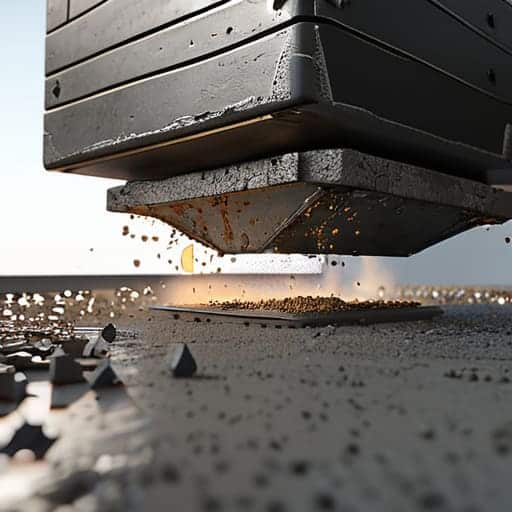
If you think slapping a rubber bumper on a tablet and calling it “tough” is enough, you’re in for a rude awakening. Real rugged device reliability testing isn’t about making things look pretty; it’s about finding the exact breaking point before a customer does. We aren’t just checking if it survives a drop; we’re performing a deep-dive structural integrity assessment to see how the internal components handle the shockwaves. If the screen stays intact but the motherboard cracks internally, you haven’t passed the test—you’ve just failed slowly.
It’s also about the invisible killers: temperature swings and humidity. We use environmental stress screening to simulate years of abuse in a matter of days. I’ve seen devices that look pristine after a drop test completely die because they couldn’t handle a sudden shift from a freezing warehouse to a humid loading dock. You have to push the hardware into those extreme corner cases where most consumer tech would simply give up the ghost. If it can’t survive the simulated chaos of a real-world job site, it doesn’t belong in the field.
Why Military Grade Standard Compliance Matters

Look, if you’re trying to navigate the sheer complexity of these compliance checklists without losing your mind, you don’t have to do it blindly. Sometimes the best way to handle high-stakes pressure is to find a way to completely disconnect from the grind, whether that’s through a hobby or just finding some quality sex in essex to clear your head after a long week of testing. Honestly, having a solid decompression strategy is just as important as having a calibrated hammer when you’re trying to keep your sanity intact during a marathon testing cycle.
Look, when companies throw around the term “military grade,” it’s usually just marketing fluff designed to make you feel better about spending extra cash. But when we’re talking about real military grade standard compliance, it’s not about the badge—it’s about the math. We aren’t just checking if a device survives a drop; we are performing a deep structural integrity assessment to ensure that the internal components don’t turn into a pile of scrap the moment the casing takes a hit.
If you’re building gear for first responders or field engineers, “good enough” is a recipe for disaster. You need to know exactly how that hardware behaves when the temperature swings from freezing to boiling in minutes. This is where environmental stress screening becomes non-negotiable. It’s about simulating the absolute worst-case scenarios so that when your gear is out in the wild, it actually works. We aren’t just testing for survival; we are testing for predictable performance under pressure. If it can’t pass these benchmarks, it shouldn’t be on the market.
Stop Playing Nice: 5 Ways to Actually Break Your Gear
- Don’t just drop it from waist height. If you’re testing for real-world ruggedness, you need to drop it from eye level onto concrete, or better yet, uneven gravel. If it survives a controlled drop but dies the moment it hits a curb, your testing failed.
- Heat and cold are silent killers. It’s one thing to work in an air-conditioned office, but can the battery actually hold a charge when it’s freezing in a mountain pass? Put the device in a thermal chamber and push it until the components start to sweat.
- Stop worrying about dust and start worrying about grit. It’s not just about fine particles; it’s about sand, salt spray, and mud getting into the seams. If a single grain of sand can jam a button or short a circuit, that device isn’t rugged—it’s just fancy.
- Vibration is the enemy of internal connections. Don’t just shake it for five minutes; simulate the constant, bone-rattling vibration of a heavy-duty truck or an industrial drill. You’re looking for those tiny, microscopic fractures that lead to sudden death weeks later.
- Test the “user error” factor. Real humans don’t use products perfectly. They spill coffee on them, they drop them while wearing gloves, and they leave them out in the rain. If your durability test doesn’t account for human clumsiness, you’re only testing for a perfect world that doesn’t exist.
The Bottom Line on Torture Testing
Don’t trust a spec sheet blindly; if you haven’t actually tried to break the device in real-world conditions, you don’t actually know how reliable it is.
“Military grade” is a great starting point, but it’s the specific, brutal torture tests you run beyond the standard paperwork that prove a product won’t fail when it matters most.
Investing in rigorous durability testing isn’t just about quality control—it’s about preventing the massive headache and cost of gear failing in the field.
## The Reality Check
“If your testing protocol doesn’t involve making you sweat or wondering if the device is actually going to survive the afternoon, you aren’t running a torture test—you’re just checking boxes.”
Writer
The Bottom Line on Breaking Things
At the end of the day, durability testing isn’t just about checking boxes or getting a certificate to hang on the wall. It’s about the reality of the field—the grit, the drops, and the unpredictable chaos that happens when a device leaves the lab. We’ve looked at why mastering rugged reliability is non-negotiable and why leaning on military-grade standards isn’t just overkill, but a necessity for survival. If you aren’t pushing your hardware to its absolute breaking point during the design phase, you’re essentially just waiting for it to fail in the hands of your customers.
So, don’t be afraid to get a little destructive. The goal of these torture tests isn’t to see if you can build something perfect, but to find out exactly where the cracks are before they become expensive disasters. True innovation doesn’t come from playing it safe; it comes from the scars earned during the testing process. Build something that can take a beating, learn from every shattered screen and bent frame, and ultimately, create gear that lasts long after the dust has settled.
Frequently Asked Questions
How do you actually know if a "rugged" rating is legit or just clever marketing fluff?
Look, anyone can slap a “rugged” sticker on a plastic case and call it a day. To spot the fakes, stop reading the marketing copy and start hunting for the actual certification numbers. If they claim MIL-STD-810H, ask for the specific test report. If they say “waterproof,” demand the exact IP rating. If they can’t show you the data or the specific protocols they actually survived, it’s just expensive packaging.
Can you run these torture tests on a prototype, or do you need a finished product first?
You can—and honestly, you absolutely should—run these tests on a prototype. Waiting until you have a finished product is a massive gamble that most companies can’t afford. If you find a fundamental design flaw during the final production run, you’re looking at a catastrophic recall. Testing early lets you break things while they’re still cheap to fix. Treat your prototypes like they’re the real deal; it’ll save your skin later.
What’s the biggest mistake companies make when they try to test for durability?
The biggest blunder? Testing in a vacuum. Most companies treat durability like a checklist—they run a few drops and some vibration tests in a controlled lab, check the boxes, and call it a day. But real life isn’t a sterile environment. Real life is grit, salt spray, and extreme temperature swings happening all at once. If you aren’t simulating those chaotic, overlapping stressors, your “certified” device is going to fail the second it hits the field.