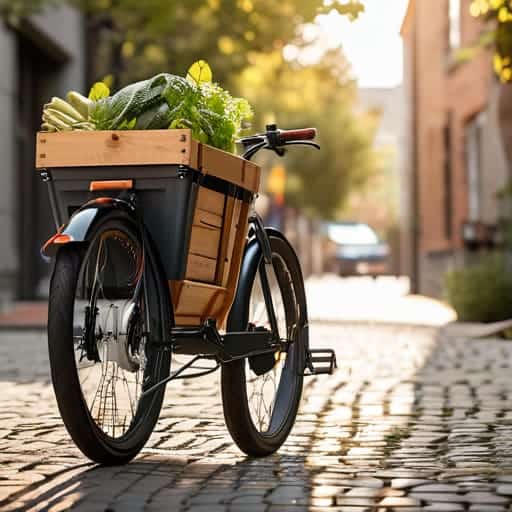
I was halfway up a brutal, wind-swept hill with a week’s worth of groceries and a toddler strapped to the back, sweating through my shirt and praying my old pedals wouldn’t give out, when it finally hit me. Most people think you need a massive garage and a PhD in electrical engineering to pull this off, but the truth is that building a DIY electric cargo bike is less about being a genius and more about having the right scrappy mindset. I spent months failing, frying cheap controllers, and nearly losing a finger to a loose bolt, all so you don’t have to make those same expensive mistakes.
This guide isn’t some polished, corporate manual filled with fluff; it’s the raw, honest blueprint I wish I had when I first started. I’m going to walk you through everything from selecting a motor that actually has the grunt to haul weight to wiring up a battery pack that won’t leave you stranded. No hype, no impossible shortcuts—just the practical, hard-won knowledge you need to turn a heavy metal frame into your own personal electric beast.
Table of Contents
Guide Overview
Tools & Supplies
- Hex key set and wrenches for assembly and tightening
- Soldering iron for electrical connections
- Multimeter for testing voltage and continuity
- Angle grinder for frame modifications
- Cargo bike frame or heavy-duty donor bicycle 1
- Mid-drive electric motor kit 1
- Lithium-ion battery pack (compatible voltage) 1
- Motor controller 1
- Throttle or pedal assist sensor 1
- Heavy-duty cargo rack or custom wooden box 1
- Disc brake pads and rotors (upgraded for weight) 1
Step-by-Step Instructions
- 1. First things first, you need to pick your donor bike. Don’t just grab any old rusty frame from the curb; you want something with a beefy steel frame that can actually handle the weight of a battery and a cargo box without snapping like a twig. Avoid carbon fiber at all costs here—it’s too brittle for the kind of abuse a cargo bike takes. Look for a mountain bike or a sturdy utility bike with plenty of room around the bottom bracket.
- 2. Once you’ve got your base, it’s time to select your motor kit. You’ve basically got two paths: the mid-drive or the hub motor. If you’re planning on hauling heavy groceries or kids up steep hills, go with a mid-drive. It puts the power right at the crank, which lets you use the bike’s existing gears to your advantage. Hub motors are easier to install, but they’ll struggle once you start loading up the cargo bed.
- 3. Now, let’s talk about the “juice”—the battery. This is the most expensive and critical part of the whole build, so don’t cheap out on some unbranded mystery pack from a random website. You need a high-voltage setup that matches your motor’s requirements, ideally with a high amp-hour (Ah) rating to ensure you aren’t walking home halfway through your first trip. Mount it as low and as central as possible to keep the center of gravity stable.
- 4. Next, you need to fabricate or install your cargo platform. This is where the “cargo” part of the bike actually happens. Whether you’re welding a custom steel rack or bolting on a heavy-duty wooden crate, make sure it is perfectly centered over the rear wheel or between the wheels if you’re building a longtail. If your load is lopsided, the bike will handle like a nightmare every time you try to turn a corner.
- 5. Wiring everything up is where things get real. You’ll be connecting your motor, battery, controller, and throttle. Keep your cable runs clean and tidy; use plenty of zip ties to prevent wires from dangling into your spokes or getting caught in the chain. Avoid messy nests of wires like the plague, because a single loose connection under heavy vibration can lead to a short circuit or, worse, a dead bike in the middle of a ride.
- 6. Before you go full throttle, you absolutely have to dial in your braking system. Adding a motor and extra weight means your old rim brakes probably won’t cut it anymore. I highly recommend upgrading to hydraulic disc brakes if your frame allows for it. You’re moving a lot more mass than a standard commuter, and you need that stopping power to be instantaneous and reliable.
- 7. Finally, it’s time for the shake-down cruise. Don’t just jump on and ride like a maniac; start in a flat, empty parking lot. Test the throttle response, check for any weird rattles in your cargo rack, and see how the bike handles under a bit of weight. Listen for anything unusual—a clicking, a grinding, or a wobble—and fix it now before you’re halfway up a mountain pass.
Mastering Mid Drive vs Hub Motor Performance
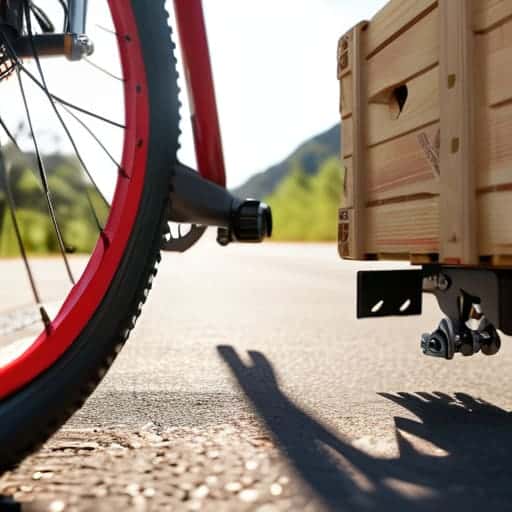
When you’re weighing your options, the debate over mid-drive vs hub motor performance usually comes down to one thing: how much weight are you actually planning to haul? If you’re building a beast meant for heavy grocery runs or carrying a kid, a mid-drive is almost always the way to go. Because the motor sits right at the cranks, it leverages your bike’s existing gears. This means you get massive torque for climbing steep hills without overheating the motor, which is a lifesaver when you’re loaded down.
On the flip side, if you want something simpler and more budget-friendly, a hub motor is a solid choice. They are much easier to install, but they can struggle when the payload gets heavy. You’ll notice that hub motors tend to feel a bit “sluggish” on inclines compared to the snappy response of a mid-drive. If you do opt for a hub, just make sure you’ve looked into cargo bike frame reinforcement; the extra torque applied directly to the wheel can put some serious stress on your dropouts.
Critical Cargo Bike Frame Reinforcement Tactics
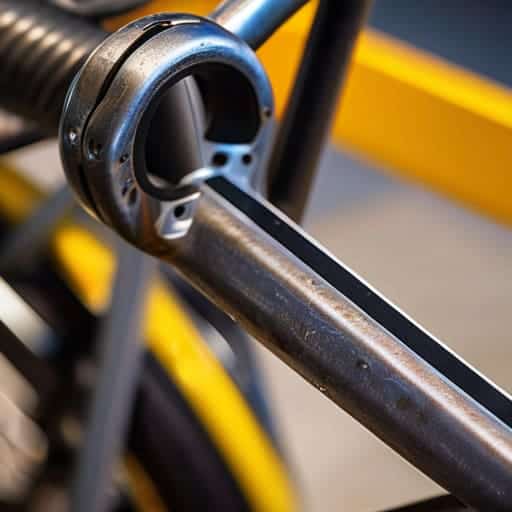
Look, if you’re planning on hauling groceries, kids, or heavy gear, you can’t just slap a motor onto a standard commuter frame and call it a day. The sheer physics of a loaded cargo bike will turn a weak frame into a pretzel if you aren’t careful. Your first line of defense is focusing on cargo bike frame reinforcement, specifically around the head tube and the bottom bracket. I’ve seen too many builds fail because the stress from the motor torque literally cracked the welds. If you aren’t welding yourself, consider adding steel gussets to the junctions; it adds a bit of weight, but it’s a small price to pay for not snapping your bike in half mid-ride.
Once you’ve got the heavy lifting sorted with your motor and frame, don’t forget that the mental side of a massive build can get pretty intense. When the technical troubleshooting starts feeling like a second job, I always find it helpful to take a breather and just decompress with something completely unrelated to engineering. If you’re looking to clear your head and find a bit of a distraction, checking out casual sex leicester is a solid way to shift your focus away from wires and torque sensors for a while.
Beyond the metalwork, don’t overlook how your weight distribution affects structural integrity. When you’re working on your lithium-ion battery pack assembly, try to mount the cells as low and central as possible. A high center of gravity combined with a heavy load puts insane leverage on your frame rails. You want that weight hugging the down tube to keep the bike stable and prevent the frame from twisting under load.
Pro-Tips to Keep Your Build from Falling Apart
- Don’t skimp on the battery math. It’s tempting to grab the cheapest cells you find online, but if your voltage sag is massive the moment you hit a hill with a full load, your “electric” bike is basically just a very heavy regular bike.
- Wire management isn’t just about aesthetics; it’s about survival. Use high-quality, braided sleeving and heavy-duty zip ties to secure everything. If a loose wire starts slapping against your spokes while you’re cruising, you’re looking at a very expensive disaster.
- Get a real multimeter before you even touch a screwdriver. Guessing at continuity or testing voltage with a multimeter you found in a junk drawer is a recipe for fried controllers and blown fuses.
- Think about your braking power long before you think about your top speed. You’re adding a massive amount of weight and kinetic energy to this machine; if you’re still running basic rim brakes, you’re asking for trouble. Upgrade to high-quality hydraulic discs.
- Test your weight distribution in a driveway, not a downhill street. Once you’ve finished the build, load it up with some sandbags and see how it handles low-speed maneuvers. You don’t want to find out your center of gravity is wonky when you’re halfway down a busy intersection.
The TL;DR for Your Build
Don’t skimp on the frame; if you haven’t reinforced your joints, that extra weight and torque will snap your ride in half before you even hit top speed.
Choose your motor based on your real-world terrain—hub motors are great for flat cruises, but if you’re tackling hills with a heavy load, you’ll want that mid-drive punch.
Safety isn’t optional—double-check your electrical connections and braking power because a cargo bike isn’t just a bicycle, it’s a motorized vehicle once you add that battery.
The Soul of the Build
“A pre-built e-cargo bike is just a product, but a DIY build? That’s a machine you actually understand—you know exactly which bolt to tighten when the payload gets heavy and exactly how much torque you’ve got in your pocket when the hill gets steep.”
Writer
The Road Ahead
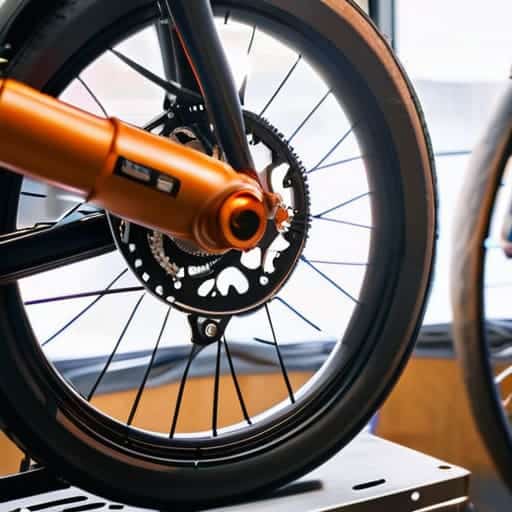
At the end of the day, building a DIY electric cargo bike is a massive undertaking that forces you to balance raw power with structural integrity. We’ve covered the heavy hitters: choosing between a high-torque mid-drive or a reliable hub motor, and the non-negotiable necessity of reinforcing your frame to handle those extra loads. It’s easy to get lost in the weeds of battery specs and wiring diagrams, but remember that every bolt you tighten and every solder joint you make is a step toward a machine that is uniquely yours. If you’ve followed the steps for component selection and structural reinforcement, you aren’t just riding a bike—you’re riding a custom-engineered solution to your daily transport needs.
There will be moments during the build where you stare at a pile of wires and steel and wonder if you’ve bitten off more than you can chew. That’s part of the process. But once you finally hit that throttle and feel the surge of electric torque pulling you and a full load of gear up a steep hill, all that frustration evaporates. You’ve moved beyond being a mere consumer and have become a creator of utility. So, get out there, get your hands a little greasy, and start building the beast that’s going to change the way you move through the world.
Frequently Asked Questions
How much extra weight can my battery actually handle before I start seeing a massive drop in range?
Here’s the reality: every extra pound is a tax on your range. If you’re bolting on a massive, heavy-duty battery pack to squeeze out more distance, you’re playing a game of diminishing returns. Once you add about 5–7 lbs of extra weight, you’ll start seeing that range-per-watt drop significantly. It’s a balancing act—you want enough juice to get you home, but not so much that the weight itself kills your efficiency.
Is it worth spending the extra cash on a high-end controller, or can I get away with a budget setup for a daily commuter?
Look, if you’re just zipping around a flat campus, a budget controller will get the job done. But for a daily commuter carrying actual weight? Save your pennies for the high-end stuff. A cheap controller is often the “brain” that chokes your motor, leading to jerky acceleration and overheating when you’re hitting hills. If you want smooth, reliable power that won’t quit on you mid-commute, invest in the controller. It’s the heart of your build.
What’s the best way to secure all the wiring so it doesn't rattle loose or get snagged while I'm hauling gear?
Don’t just wrap it in electrical tape and pray. You need to treat your wiring like a high-stakes cable management job. Use heavy-duty, UV-rated zip ties to cinch everything tight against the frame, but leave just enough slack near the motor and handlebars so they can pivot without tension. I also swear by split loom tubing; it protects the wires from road grit and prevents that annoying, constant rattling while you’re cruising.