I’m so tired of seeing tech gurus pitch continuous glucose telemetry as some kind of magical, life-altering “biohacking” miracle that only billionaires can afford. Most of the hype you see online is just expensive noise designed to make you feel like you’re failing if you aren’t tracking every single micronutrient. Let’s get one thing straight: it isn’t a magic wand, and it isn’t a replacement for common sense. It’s just a tool—a way to finally see the hidden patterns in how your body actually reacts to that mid-afternoon snack or a stressful meeting.
I’m not here to sell you a subscription or a dream of perfect metabolic health. Instead, I’m going to give you the straight truth based on what I’ve actually seen work in the real world. We’re going to strip away the medical jargon and the marketing fluff to look at how continuous glucose telemetry can actually serve you without becoming a full-time job. I promise to share only the no-nonsense, actionable insights you need to understand your data and take back control of your energy.
Table of Contents
- Mastering Metabolic Health Optimization Through Real Time Data
- Decoding the Hidden Language of Your Wearable Glucose Devices
- 5 Ways to Turn Your Glucose Data Into Real-World Results
- The Bottom Line: Turning Data Into Action
- ## The End of Metabolic Guesswork
- Taking the Reins of Your Biology
- Frequently Asked Questions
Mastering Metabolic Health Optimization Through Real Time Data

Once you move past the novelty of seeing those little spikes and dips on your phone, you enter the territory of true lifestyle design. It’s not just about avoiding a sugar crash after a heavy pasta lunch; it’s about using biometric data tracking to decode how your unique biology responds to the world. You start to notice that the “healthy” oatmeal you’ve eaten for years might actually be causing massive blood sugar fluctuations that leave you drained by noon. This isn’t about deprivation; it’s about gaining the clarity needed to fine-tune your fuel.
Real mastery comes when you stop looking at single data points and start focusing on the trends. By diving into glycemic variability analysis, you can see the “why” behind your energy levels and cravings. Instead of guessing why you felt foggy at 3 PM, you can look back at your data and see exactly how your body handled that afternoon snack. This level of insight turns guesswork into a science, allowing you to achieve a state of metabolic health optimization that feels sustainable rather than restrictive.
Decoding the Hidden Language of Your Wearable Glucose Devices
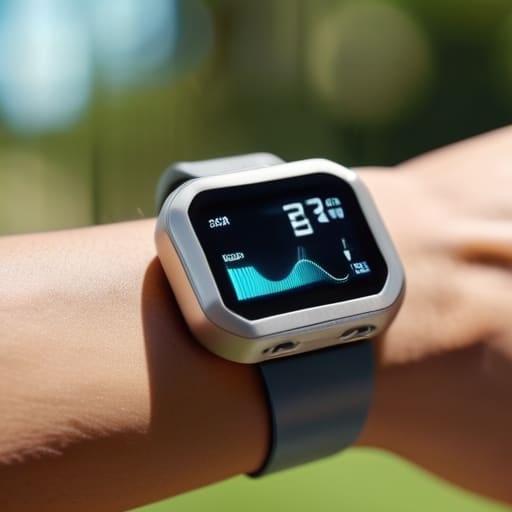
If you’ve ever stared at your phone after a meal, wondering why that little line on the graph suddenly spiked like a roller coaster, you’re starting to see the “language” of your body. These wearable glucose devices don’t just spit out random numbers; they tell a story about how your unique biology reacts to the world around you. It’s not just about whether your sugar is “high” or “low,” but about the rhythm of the movement.
While you’re busy fine-tuning your macros and watching those glucose curves, don’t forget that managing metabolic health is as much about mental bandwidth as it is about physical data. Sometimes, the best way to decompress from the constant monitoring is to simply step away from the spreadsheets and engage in some genuine human connection. If you’re looking for a way to unwind and chat with others in a relaxed setting, finding a bit of uk adult chat can be a great way to shift your focus and find that much-needed social outlet.
The real magic happens when you stop looking at single data points and start focusing on glycemic variability analysis. This is where you decode the chaos. Instead of seeing a single number, you begin to notice patterns—like how a seemingly “healthy” oatmeal breakfast might be causing massive blood sugar fluctuations that leave you crashing by 2:00 PM. When you learn to read these subtle shifts in your biometric data tracking, you stop playing defense and start playing offense with your nutrition. You aren’t just watching a screen anymore; you’re finally listening to what your cells are trying to tell you.
5 Ways to Turn Your Glucose Data Into Real-World Results
- Stop obsessing over the single number. A snapshot of your sugar level is just a moment in time; look for the trends and the “shape” of your curves to see how your body actually reacts to life.
- Use the data to find your “trigger foods.” Instead of following a generic diet, use your telemetry to see exactly which specific carb or meal sends your levels on a rollercoaster.
- Watch the post-meal spike, not just the peak. The speed at which your glucose rises tells you more about your metabolic flexibility than the actual number itself.
- Test the “movement hack.” Use your device to see how a quick ten-minute walk after dinner flattens your glucose curve—it’s the easiest way to prove to yourself that movement is medicine.
- Don’t let a spike ruin your day. If you see a massive surge, don’t spiral; use it as a data point to adjust your next meal or activity rather than a reason to give up.
The Bottom Line: Turning Data Into Action
Stop looking at numbers in a vacuum; the real magic happens when you connect a glucose spike to the specific meal or stressor that caused it.
Real-time tracking isn’t about perfection or obsessing over every decimal point—it’s about finding your unique patterns so you can make sustainable, effortless choices.
Use your wearable as a feedback loop, not a judge, to transform guesswork into a personalized roadmap for long-term metabolic energy.
## The End of Metabolic Guesswork
“Stop treating your health like a black box where you only see the results once a month at the doctor’s office; continuous glucose telemetry turns the lights on, letting you see the immediate impact of every meal, every stress spike, and every movement in real-time.”
Writer
Taking the Reins of Your Biology
At the end of the day, continuous glucose telemetry isn’t just about tracking numbers on a screen or obsessing over every single spike after a slice of pizza. It’s about finally closing the loop between what you eat and how your body actually responds. We’ve moved past the era of blind guesswork and finger-prick snapshots that only tell half the story. By leveraging this real-time stream of data, you’ve learned how to decode your metabolic signals, optimize your energy, and turn your wearable device into a personal metabolic compass that guides every nutritional decision you make.
Don’t let the data overwhelm you; let it empower you. The goal isn’t perfection—it’s informed awareness. You now have the tools to stop being a passive observer of your health and start being the active architect of your vitality. Use these insights to build a lifestyle that feels as good as it looks on paper. This technology is a superpower, but the real magic happens when you take that data and turn it into decisive, life-changing action. Your best self is waiting just beyond the next data point.
Frequently Asked Questions
Is wearing a continuous monitor actually worth the cost if I don't have diabetes?
Here’s the truth: if you’re looking at this purely as a medical necessity, the answer is no. But if you view it as an investment in your metabolic blueprint, it’s a game-changer. You aren’t just buying a gadget; you’re buying the end of nutritional guesswork. Instead of wondering why you’re crashing at 3 PM, you’ll see exactly which “healthy” snack is actually sabotaging your energy. It’s paying for clarity.
How much can I actually trust the accuracy of these sensors compared to a traditional finger prick?
Here’s the short answer: don’t treat them as identical twins. A finger prick measures your blood directly, giving you the “ground truth” in that exact second. A CGM measures interstitial fluid—the fluid surrounding your cells—which means there’s a slight lag time. Think of it like a weather report versus looking out the window; the sensor tells you the trend, but if things look wildly off, always verify with a prick.
Do I need to change my diet immediately once I see a spike, or is there a better way to approach it?
Don’t panic and reach for the kale salad immediately. If you see a spike, treat it like a data point, not a failure. Instead of an instant dietary overhaul, use it as a diagnostic tool. Ask yourself: Was it the portion size? The order of food? Or a lack of protein? The goal isn’t perfection; it’s pattern recognition. Observe the trend, adjust the next meal, and focus on the long-term curve rather than single spikes.