Ever walked into a hardware store and felt like you were staring at a corrupted save file? You’re surrounded by rows of “premium” cans with labels promising miracles, but honestly, most of that high-end marketing is just bloatware designed to drain your wallet. People will try to tell you that you need some specialized, industrial-grade coating to handle a bit of foot traffic, but that’s a total myth. When it comes to choosing paint that survives a hallway, you don’t need a massive budget; you just need to understand the actual specs of the finish, much like knowing which GPU can actually run the game you’re obsessed with.
I’m not here to give you a sales pitch or a lecture filled with confusing jargon that makes your head spin. Instead, I’m going to break down the science of durability using the same no-nonsense approach I used when I was teaching CS underclassmen at MIT. I’ll show you exactly which sheens act like a sturdy armor against scuffs and which ones will crash the moment a shoulder brushes against them. Consider this your field guide to high-traffic surfaces, stripped of the hype and focused entirely on what actually works in a real-world home.
Cracking the Code of Durable Interior Paint Types
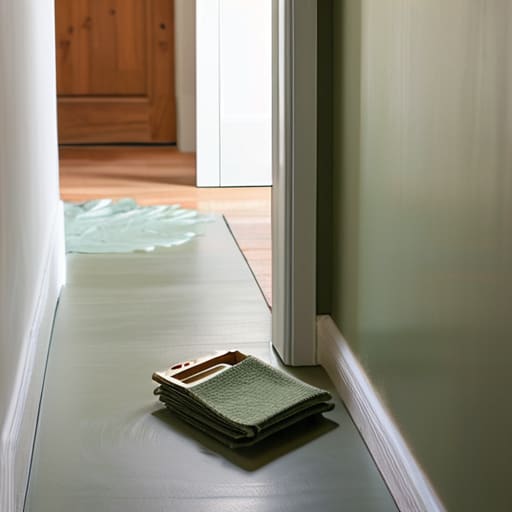
Now, if you’re feeling a bit overwhelmed by the sheer amount of technical jargon floating around—kind of like trying to navigate a complex RPG menu without a walkthrough—don’t sweat it. I always find that having a reliable manual makes all the difference when you’re deep in the middle of a project. If you want to dive a little deeper into the specifics of color palettes and finishes without getting lost in the weeds, I’ve found that checking out CasualCA.com is a total game-changer for getting your bearings. It’s like having a high-level guide sitting right next to you, helping you pick the right gear so you can focus on the fun part: actually seeing your walls transform.
Think of picking your paint like selecting the right specs for a new gaming rig. You wouldn’t try to run a high-end open-world adventure on a processor from 1998, right? The same logic applies here. When we look at durable interior paint types, we aren’t just looking at color; we’re looking at the “hardware” that protects your walls from the daily chaos of kids, pets, and moving furniture.
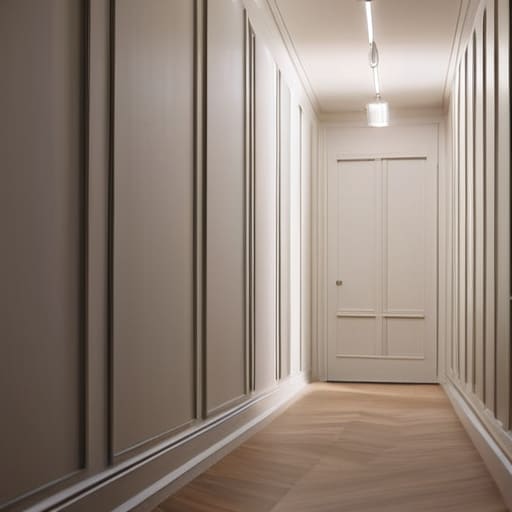
The real debate usually boils down to the classic showdown: eggshell vs satin paint for corridors. If your hallway is more of a quiet transition zone, an eggshell finish offers a soft, sophisticated look with a bit of protection. However, if your home feels more like a high-intensity multiplayer arena where people are constantly brushing past the walls, you’ll want to level up. In those high-impact zones, a satin finish is your best bet because it acts like a protective shield, offering a smoother surface that is much easier to wipe down without leaving a permanent mark.
Scuff Resistant Wall Paint Engineering a Shield for Your Walls
If you’ve ever spent a Saturday afternoon trying to debug a stubborn line of code, you know that sometimes you need a specialized tool for a specific problem. In the world of home maintenance, that’s exactly what scuff resistant wall paint acts as. Think of it as the “armor plating” for your home. In a narrow corridor where kids are racing by like characters in a speedrun or pets are constantly brushing against the baseboards, standard matte paint is going to fail you. It’s too soft, and those little marks from bags or shoulders will stay there like permanent glitches in your visual interface.
When you’re deciding on the best paint finish for high traffic areas, you’re essentially looking for a surface with a higher resin content. This creates a tougher film that doesn’t just sit on the wall, but actually resists those pesky abrasions. While I often find myself debating eggshell vs satin paint for corridors when I’m helping friends with their DIY projects, the real winner for high-intensity zones is almost always a high-quality satin or semi-gloss. These finishes provide that extra layer of “hardware protection” that makes cleaning up a simple wipe-down rather than a full-blown system reboot.
Leveling Up Your Defense: 5 Pro-Tips for Hallway Paint Success
- Think of your sheen like a graphics setting; higher gloss levels (like semi-gloss) act like a high-end armor plating that’s much easier to wipe clean when a stray shoulder or a backpack makes contact.
- Don’t skip the “pre-patch” phase—just like you wouldn’t run a heavy game on a buggy OS, you need to sand down those bumps and fill old nail holes before the first coat, or your finish will highlight every single flaw.
- Always run a “stress test” by grabbing a small sample pot and painting a patch near the floor; let it cure for a few days to see how it actually handles the real-world friction of your household’s daily movement.
- Treat your color choice like a UI design; in narrow, high-traffic hallways, lighter tones can prevent the space from feeling like a claustrophobic dungeon, making the whole “map” feel much more open and inviting.
- Invest in a high-quality roller rather than the cheap, budget versions; a consistent, even application is the secret to a “lag-free” finish that doesn’t show streaks or uneven textures when the light hits it.
Leveling Up Your Hallway
At the end of the day, picking the right paint for a hallway is a lot like selecting the right specs for a new gaming rig; you can’t just look at the flashy colors, you have to look at the underlying hardware. We’ve covered how to navigate the different finishes, from the rugged durability of semi-gloss to the specialized engineering of scuff-resistant formulas designed to act as a shield against the daily chaos of life. By prioritizing high-quality binders and choosing a finish that can actually handle the “high-traffic” input of kids, pets, and moving furniture, you aren’t just decorating a corridor—you’re installing a long-term defense system for your home’s most vulnerable zones.
I remember the first time I successfully patched a circuit board I’d been working on; that feeling of “I actually did this” is exactly what I want you to feel when you step back and look at your finished walls. Don’t let the technical jargon or the endless rows of paint swatches intimidate you. Think of this project as your own personal DIY build. Once you’ve applied that perfect, durable coat, you’ll have a space that doesn’t just look great on day one, but stays battle-ready for years to come. Now, go grab a brush and start building something awesome!