I remember sitting in my small Vermont bedroom, surrounded by the hum of my first salvaged PC, trying to record a simple voiceover for a pixel art project. Every time a car drove by or my neighbor started mowing the lawn, my recording was ruined. I spent hours scouring the web, convinced that I needed to spend thousands on professional-grade acoustic foam and heavy-duty construction to find out how to soundproof a room on a budget. But here’s the truth: you don’t need a contractor or a massive bank account to reclaim your silence; you just need to understand how sound actually moves through a space.
In this guide, I’m stripping away the marketing fluff and the overpriced “acoustic” gadgets that don’t actually work. We’re going to roll up our sleeves and look at practical, DIY solutions—from repurposing household items to sealing those sneaky air gaps—that will actually make a difference. Whether you’re a fellow gamer trying to hide your intense boss battles from your roommates or a creator needing a quiet corner, I’ll show you how to build a quiet sanctuary without breaking the bank.
Guide Overview
Tools & Supplies
- Measuring tape for calculating window and door dimensions
- Utility knife for cutting foam or weatherstripping
- Weatherstripping rolls for sealing door and window gaps
- Heavy blackout curtains (2-4 panels) for window dampening
- Acoustic foam panels (12-24 pack) for wall echo reduction
- Door draft stopper (1 unit) to block air gaps under doors
Step-by-Step Instructions
- 1. First things first, we need to hunt down the “leaks.” Think of sound like water; if there’s a crack in a dam, it’s going to spray everywhere. Grab a flashlight and walk around your room, checking the gaps under your door and around your window frames. I usually start by feeling for drafts, because if air can get through, sound is definitely hitching a ride.
- 2. Let’s tackle those pesky door gaps. This is one of the easiest wins in the game. You can grab a heavy-duty door sweep or even just roll up a thick, old towel and wedge it tightly against the bottom crack. It might not look like a high-end studio setup, but it’s a total game-changer for blocking out the hallway noise while you’re deep in a coding session or a gaming marathon.
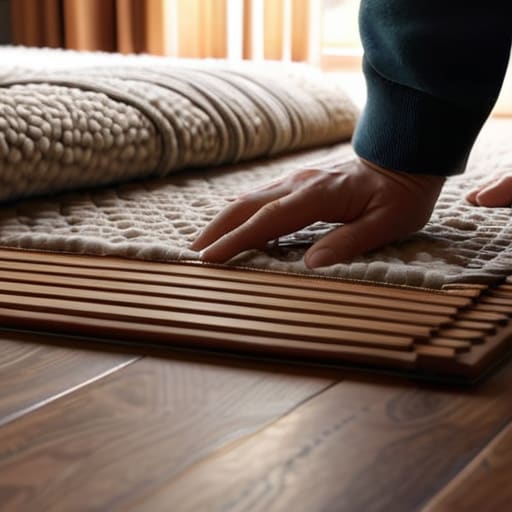
- 3. Next up, we need to address the “echo chamber” effect. If your room has bare walls and hardwood floors, sound waves are just bouncing around like a pinball machine. To fix this without spending a fortune, start layering in soft materials. Throw down a thick, plush rug—the shaggier, the better—and if you have some extra blankets or even heavy tapestries, hang them up on the walls. It’s basically like giving your room a soft hug to soak up those vibrations.
- 4. Now, let’s talk about your windows. Glass is surprisingly thin when it comes to blocking out the neighborhood chaos. If you aren’t ready to invest in professional acoustic curtains, don’t sweat it. You can use thick, thermal blackout curtains instead. They’re much denser than your standard drapes, which helps dampen the incoming noise from the street significantly.
- 5. Here’s a little trick I learned from my tinkering days: use your furniture as a shield. If you have a noisy neighbor on the other side of a specific wall, move your heaviest bookshelf against that wall. Fill it completely with books—the more mass, the better. It acts as a makeshift sound barrier that absorbs much of the vibration before it ever reaches your ears.
- 6. If you’re still hearing high-frequency sounds, it might be time to look at some DIY acoustic panels. You don’t need to buy expensive foam hexagons; you can actually build your own using old wooden picture frames and stuffing them with thick towels or rock wool. It’s a fun little weekend project that lets you inject some personality into your setup while actually improving your audio quality.
- 7. Finally, if you’re working on a budget and the external noise is just too much to fight physically, embrace the digital solution. A decent pair of noise-canceling headphones is the ultimate “cheat code.” It won’t change the room, but it creates a personal sonic sanctuary that lets you focus on your work or your game, no matter what’s happening in the world outside your door.
Finding Magic in Cheap Acoustic Foam Alternatives

While we’re on the topic of managing your environment, I’ve learned the hard way that sometimes you just need to step away from the hardware and find a different kind of digital escape to decompress. If you’re feeling a bit burnt out from all the DIY drilling and heavy lifting, you might find a bit of relaxation exploring adult chat rooms in Vancouver to unwind and connect with people in a totally different setting. It’s all about finding that perfect balance between your physical workspace and your digital social life so you don’t lose your mind while chasing that elusive silence.
Now, I know what you’re thinking: “James, I can’t drop half a paycheck on professional studio foam!” Trust me, I get it. When I was first setting up my little pixel art station, I had to get creative with what I had on hand. You don’t always need those expensive, high-density wedges to start reducing echo in small rooms. Instead, look around your own home for some low cost sound insulation materials. Thick moving blankets, heavy quilts, or even a well-placed bookshelf filled with mismatched novels can act as a fantastic makeshift diffuser. It’s all about breaking up those flat, hard surfaces that bounce sound around like a rogue projectile in a classic platformer.
If you’re looking for even more cheap acoustic foam alternatives, try experimenting with egg cartons—though, fair warning, they aren’t magic bullets for blocking heavy bass. They work best for high-frequency flutter. For a more “pro” DIY feel without the price tag, you can actually stuff old pillows into fabric covers and mount them to your walls. It’s a bit of a weekend project, but seeing your workspace transform from a noisy echo chamber into a focused sanctuary is just as satisfying as finally beating that impossible boss level on your first try.
Blocking Noise Through Walls Cheaply and Cleverly
Now, let’s talk about the real boss battle: the walls themselves. If you’re hearing your neighbor’s TV or that annoying lawnmower through the drywall, you’re dealing with a mass problem. Since we aren’t exactly tearing down studs and adding layers of specialized insulation, we have to get a little crafty. One of my favorite tricks is using heavy, dense objects to act as a buffer. I actually moved my massive, old-school bookshelf—the one overflowing with vintage gaming manuals—right against the wall that shares a border with the noisy hallway. It’s a classic move for blocking noise through walls cheaply because mass is your best friend when it comes to stopping sound waves in their tracks.
If you can’t move furniture, look toward those little gaps we often overlook. I’ve spent way too many late nights trying to record voiceovers only to realize a tiny draft under the door was letting in the whole world. Tackling soundproofing door gaps DIY style with some simple weatherstripping or even a weighted “draft stopper” (you can sew one yourself!) makes a massive difference. It’s all about sealing the leaks to keep that precious silence inside your sanctuary.
The Tinkerer's Cheat Sheet: 5 Quick Wins for a Quieter Setup
- Seal the “Air Leaks” with Weatherstripping: Think of sound like water; if air can get through, noise will too. Grab some cheap adhesive foam strips from the hardware store and line your door frames. It’s a tiny tweak that makes a massive difference in keeping those external distractions at bay.
- The Heavy Curtain Hack: You don’t need expensive acoustic drapes to dampen echoes. Find some thick, heavy velvet or blackout curtains and hang them over your windows. They act like a soft buffer, soaking up those high-frequency sounds before they can bounce around your room.
- Strategic Bookcase Buffering: Remember those old-school libraries? A bookshelf packed tightly with books is one of the best DIY sound diffusers you can find. Slide a heavy shelf against the wall shared with a noisy neighbor, and let those paper spines do the heavy lifting for you.
- Soften the Floor with Rugs: If you’re working on a hardwood floor, you’re essentially living inside a drum. Throw down a thick area rug—even a thrifted one works wonders—to kill the “slap back” echo and stop your footsteps from sounding like a drum solo.
- Decouple Your Gear: If your PC fans or speakers are vibrating your desk, they’re actually turning your furniture into a giant amplifier. Place them on some inexpensive foam pads or even a thick mousepad to decouple the vibration from the surface. It’s a pro move that costs next to nothing.
Leveling Up Your Quiet Space
We’ve covered a lot of ground today, from hunting down those clever acoustic foam alternatives to finding sneaky ways to thicken up your walls without a contractor’s bill. Whether you decided to stack some heavy bookshelves against a shared wall or spent an afternoon DIY-ing some soft surfaces to soak up the echoes, the goal was always the same: creating a sanctuary. It’s all about that strategic layering of materials to catch those pesky sound waves before they ruin your flow. Remember, soundproofing isn’t about buying the most expensive gear on the market; it’s about understanding how sound moves and using what you have to outsmart the noise.
At the end of the day, I want you to look at your setup and feel that same rush of excitement I felt when I finally got my first home-built PC to boot up without a single error message. Technology and DIY projects can feel intimidating, but once you start tinkering, you realize you have way more control over your environment than you think. Don’t get discouraged if your first attempt isn’t studio-perfect; just treat it like a beta test. Keep experimenting, keep adjusting, and most importantly, keep creating. Your perfect, quiet corner is waiting for you to build it.