I was sitting at my desk last Tuesday, mid-way through animating a pixel-art sunset for my latest project, when my coffee decided to stage a full-scale rebellion against my mug. As the dark liquid rushed toward my rug, my first instinct wasn’t to grab a cloth, but to panic and start scrubbing like my life depended on it. If you’ve ever thought that more pressure equals a better clean, I’ve got some news for you: you’re actually just hard-coding a disaster into your floor. Learning how to remove stains from carpet isn’t about brute force or expensive, mystery chemicals; it’s actually a lot like debugging a messy line of code. You have to isolate the variable, identify the source, and apply the right patch without crashing the entire system.
In this guide, I’m stripping away the marketing fluff to give you a practical, step-by-step manual for tackling those unexpected household glitches. We’re going to walk through the exact logic you need to use, from identifying the “bug” to choosing the right tools for a clean reboot of your living space. No hype, no complicated chemistry degrees required—just honest, effective tactics to get your home looking pristine again.
Guide Overview
Tools & Supplies
- Microfiber cloths or white paper towels for blotting
- Soft-bristled brush or old toothbrush for agitation
- Vacuum cleaner to remove dried residue
- Dish soap or specialized carpet cleaner (1 cup)
- Warm water (2-3 cups)
- White vinegar (1/2 cup)
- Baking soda (1 box for heavy odors)
Step-by-Step Instructions
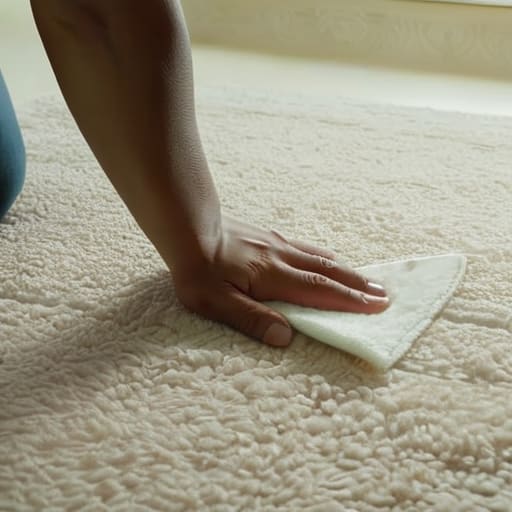
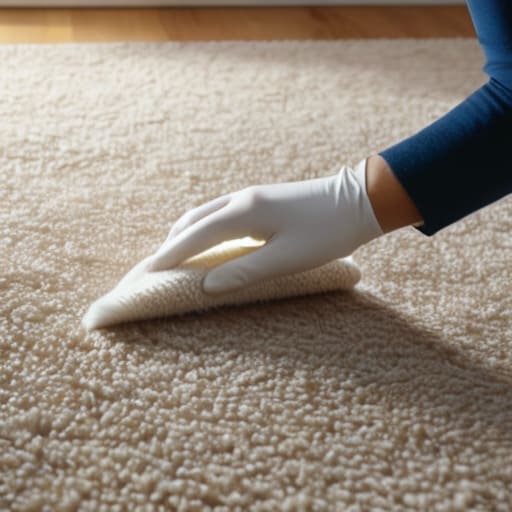
- 1. First things first, you’ve got to act fast—think of this like a critical system error that needs immediate patching before it corrupts your entire hard drive. Grab a clean, white cloth or a stack of paper towels and start blotting the area. Whatever you do, do not scrub, or you’ll end up grinding the “glitch” deeper into the carpet fibers, making it a permanent part of your floor’s texture.
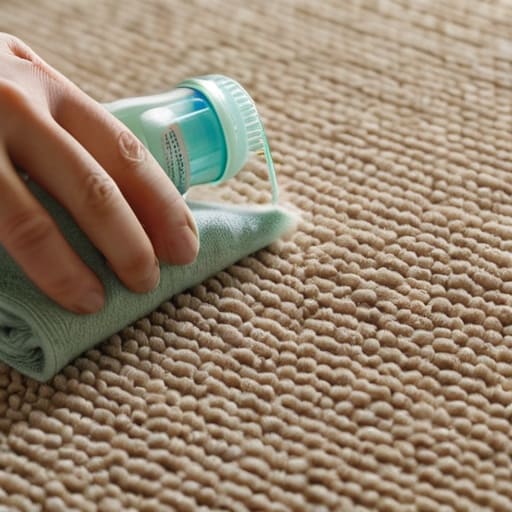
- 2. Once you’ve absorbed the excess liquid, it’s time to identify the “source code” of your stain. Is it an oil-based spill or something water-soluble? If it’s a standard spill, mix up a little bit of mild dish soap with some lukewarm water. This is your basic troubleshooting kit, a simple solution that works for most common errors without needing any heavy-duty, high-level programming.
- 3. Now, apply your homemade solution sparingly. Instead of drenching the whole area—which is a recipe for a moisture overflow error—just dab the mixture onto the stain itself. Use a clean cloth to press down firmly, working from the outside of the stain toward the center. This prevents the mess from “expanding” its territory like a rogue virus spreading through a network.
- 4. If you’re dealing with a particularly stubborn “boss level” stain, like dried coffee or juice, you might need to escalate your privileges. A mixture of one part white vinegar to two parts water can act like a system override for tougher spots. Just remember to test a tiny, hidden corner of your carpet first to make sure the color doesn’t “crash” or fade unexpectedly.
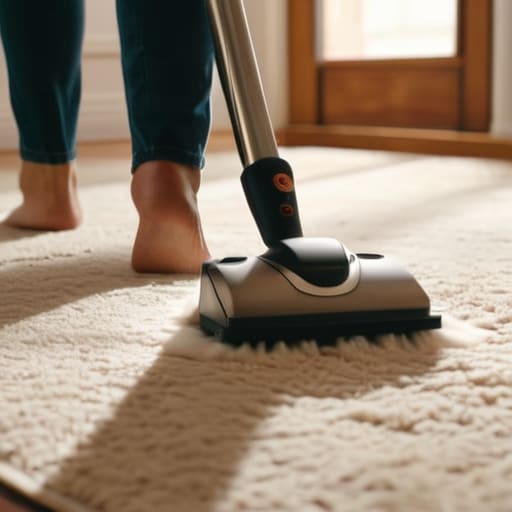
- 5. For those pesky, greasy stains that feel like a bug you just can’t squash, a little bit of baking soda can work wonders. Sprinkle it over the damp area and let it sit. It acts like a buffer overflow, absorbing the leftover oils and moisture as it dries. Once it’s completely dry and looks a bit crusty, just vacuum it up like you’re clearing out old cache files.
- 6. The final stage of the patch is the drying process. Use a dry towel to blot up any remaining moisture, and if you want to speed up the “reboot,” aim a fan toward the spot. You want to ensure the area is completely dry before you walk on it or move your furniture back, otherwise, you might find yourself dealing with a whole new set of hardware issues like mold or deep odors.
Finding the Best Carpet Cleaning Solutions for Your Setup
Now, if you’re feeling a bit overwhelmed by all the different chemical compositions and specialized tools, I always suggest checking out some community forums or local resource guides to see what’s actually working for people in your specific area. It’s a bit like looking up a walkthrough for a notoriously difficult boss level; sometimes you just need a bit of local intel to navigate the tricky parts. For instance, if you happen to be navigating the urban landscape and need to connect with people or find specific lifestyle tips while in the city, looking into trans chat paris can be a great way to tap into real-world connections and advice that goes beyond a standard search engine result. Having that extra layer of human insight can really help you troubleshoot your home environment with much more confidence.
Choosing the right gear for this mission is a lot like picking the perfect GPU for a new build—you don’t want to overspend on overkill specs, but you definitely don’t want to be running your latest AAA title on integrated graphics. When you’re hunting for the best carpet cleaning solutions, I always suggest looking at the “source code” of the product. If you’re dealing with organic messes, like a spilled latte or even some unexpected pet accidents, you might want to lean into natural carpet cleaner ingredients like white vinegar or baking soda. They’re basically the open-source alternatives of the cleaning world: effective, accessible, and much easier on your home’s “hardware.”
Of course, some glitches are just more persistent than others. If you find yourself facing a high-level boss like removing red wine stains from rug fibers, a gentle DIY approach might not cut it, and you might need to upgrade to a specialized enzymatic cleaner. Think of it as debugging: you wouldn’t try to fix a kernel panic with a simple restart; sometimes you need the right specialized tool to patch the error for good.
Natural Carpet Cleaner Ingredients for a Safe Home Environment
Now, if you’re like me and prefer keeping your living space free of harsh, industrial-strength chemicals—kind of like how I prefer a clean, optimized codebase—you might want to look toward your pantry for some help. Using natural carpet cleaner ingredients is a fantastic way to tackle messes without turning your home into a chemistry lab. For instance, a simple mixture of white vinegar and water can work wonders. It’s my go-to “patch” for many common issues, especially when you’re figuring out how to treat coffee spills on carpet before they become permanent fixtures in your decor.
If you’re dealing with something a bit more “boss-level,” like a pet mishap, don’t panic. I’ve found that baking soda acts like a great buffer; just sprinkle it on, let it sit, and it helps neutralize odors. While it might not be a magic wand for every single deep-set disaster, these DIY methods are excellent low-impact troubleshooting steps for everyday spills. It’s all about having a gentle but effective toolkit ready to go, ensuring your home stays cozy and safe for everyone—including the four-legged gamers in your life.
Pro-Tips for Patching the Glitches: Mastering the Art of Stain Management
- Act fast, like you’re hitting a frame-perfect jump in a platformer. The longer a stain sits, the more it “bakes” into the carpet fibers, turning a quick fix into a permanent hardware error.
- Always test your cleaning solution on a small, hidden corner first. You don’t want to accidentally run a “corrupted file” through your entire living room and end up with permanent discoloration or texture damage.
- Blot, don’t scrub! Think of scrubbing like trying to fix a bug by smashing your keyboard—you’re just going to spread the mess and damage the fibers. Use a clean cloth to soak up the liquid with gentle, rhythmic pressure.
- Work from the outside of the stain toward the center. If you start in the middle, you’re basically expanding the hitboxes of the mess, making the stain larger and harder to contain.
- Use the “Dry-Down” phase to prevent mold. Once you’ve cleared the glitch, use a fan or a dry towel to make sure the area is completely moisture-free, otherwise, you’re just inviting a different kind of system error to move in.
Leveling Up Your Home Maintenance
At the end of the day, tackling a stubborn carpet stain is a lot like debugging a complex script; it requires the right tools, a bit of patience, and a very systematic approach. We’ve walked through the entire walkthrough together, from identifying the specific “glitch” in your flooring to selecting the best professional-grade cleaners or even brewing up your own natural, DIY solutions right in the kitchen. Remember, the golden rule is to act fast and always test a small, hidden patch first to ensure you aren’t accidentally introducing a new bug into your carpet’s texture. Once you’ve mastered these basic commands, you’ll find that maintaining a clean space is much less of a boss battle and more of a manageable side quest.
I know that staring down a massive spill can feel as intimidating as seeing a “System Error” screen for the first time, but don’t let it crash your mood. Every little mishap is just another chance to practice your troubleshooting skills and learn something new about the world around you. Whether you’re a seasoned techie or someone just trying to keep their living room looking sharp, I hope this guide has helped you feel a bit more empowered and capable. Keep tinkering, keep learning, and most importantly, keep that sense of curiosity alive—even when life gets a little messy!