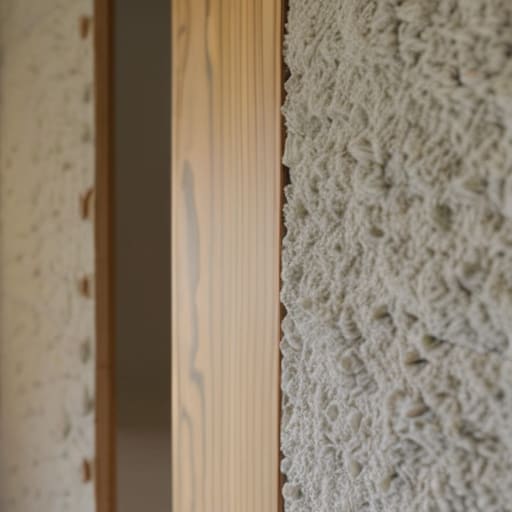
I still remember the first time I tried to focus on a complex coding project in my old apartment, only to be completely derailed by the rhythmic, thumping bass of my neighbor’s late-night techno sessions. It felt like my walls were made of thin cardboard rather than actual structural material. Most “experts” will try to sell you on incredibly expensive, high-tech acoustic panels that look like they belong in a recording studio, but let’s be real: reducing noise between flats shouldn’t require a massive budget or a degree in architectural engineering. You don’t need to turn your living room into a soundproof bunker just to get some peace and quiet during a gaming session.
In this guide, I’m skipping the overpriced fluff and getting straight to the practical, hands-on solutions that actually work. I’m going to break down the science of sound dampening just like I would a new piece of hardware, showing you how to identify the “leaks” in your space and fix them. Whether you’re looking for DIY hacks or smart hardware upgrades, I promise to give you straight-up, no-nonsense advice that respects both your ears and your wallet.
Mastering Acoustic Insulation for Flats and Shared Walls

Think of mastering your space like optimizing a game engine; you’re essentially trying to manage how “data”—or in this case, sound waves—travels through your environment. When you’re dealing with shared walls, you’re often fighting two different battles: airborne noise, like a neighbor’s late-night TV, and structure-borne vibration. For those of us looking for soundproofing solutions for renters, the goal isn’t necessarily to rebuild the architecture, but to add layers of “buffer” that absorb that energy. I like to think of it as adding extra cooling fans to a high-end rig; you aren’t changing the CPU, but you’re definitely making the whole system run much smoother and quieter.
To really tackle this, you need to look at acoustic insulation for flats through the lens of density and decoupling. If you can’t tear down the drywall, heavy curtains or even specialized acoustic panels can act like a software patch for your room’s acoustics, helping with dampening airborne noise before it hits your ears. It’s all about breaking up those flat, hard surfaces that allow sound to bounce and travel.
Dampening Airborne Noise Like a Pro
Now, let’s talk about the stuff that travels through the air—the kind of noise that feels like it’s literally floating into your living room. I’m talking about the muffled roar of a neighbor’s TV or that late-night conversation drifting through the drywall. When you’re dealing with dampening airborne noise, you have to think like a programmer trying to patch a leak in a piece of code; you need to seal the gaps. Even a tiny crack around a window frame or a gap under a door can act like an open port, letting all that unwanted sound stream right in.
If you’re looking into soundproofing solutions for renters, you don’t necessarily need to tear down the studs. Think of it like adding a heavy-duty cooling shroud to a loud PC build—it’s about adding mass and sealing the perimeter. Using heavy, acoustic-rated curtains or even strategically placing tall, fabric-covered bookshelves against a shared wall can act as a buffer zone. It’s all about creating layers that force those sound waves to lose energy before they ever reach your ears.
Leveling Up Your Soundscape: 5 Pro-Tips for a Quieter Setup
- Think of your walls like a poorly optimized game engine—if there’s a gap in the code, the noise leaks through. Seal those tiny air gaps around door frames and electrical outlets with acoustic sealant; if air can get through, sound definitely can.
- If you’re dealing with heavy bass from a neighbor’s subwoofer, you’re fighting structural vibration. Treat your speakers or even your washing machine like a high-end PC build by using isolation pads to decouple them from the floor, preventing that low-end rumble from traveling through the building’s “chassis.”
- Sometimes the easiest way to win a battle is with heavy-duty armor. Hanging thick, acoustic-grade curtains over windows or even using decorative wall tapestries acts like a soft buffer, absorbing those stray sound waves before they can bounce around your room like a glitchy projectile.
- Don’t underestimate the power of “environmental clutter.” Just like how a cluttered desk can actually help dampen the echo in a small room, adding soft furniture like a plush rug or a fabric sofa can break up sound reflections, making your space feel much more muffled and cozy.
- If you can’t fix the wall, change the way you interact with it. Rearranging your layout so that your heavy bookshelves or large wardrobes sit against the shared wall creates a DIY “buffer zone” of mass that can significantly dull the chatter coming from the other side.
Leveling Up Your Living Space
At the end of the day, tackling noise between flats is a lot like optimizing a legacy game engine—it’s all about layering the right fixes to get that smooth, seamless performance. We’ve looked at how heavy-duty acoustic insulation can act as your primary firewall against structural vibrations, and how strategically dampening airborne noise can stop those pesky conversations from leaking through your walls. Whether you’re installing mass-loaded vinyl or just rearranging your heavy bookshelves to create a makeshift buffer, the goal is the same: building a more resilient environment where you can actually focus on what matters, whether that’s a high-stakes raid or just a quiet evening of reading.
I know that staring down a project like this can feel as intimidating as seeing a wall of unoptimized code for the first time, but remember that every small tweak counts toward a better experience. You don’t need a professional studio budget to start reclaiming your peace and quiet. Just like those old computers I used to tinker with in Vermont, your home is a system that you have the power to upgrade and refine. So, grab your tools, start small, and enjoy the process of building a space that truly feels like your own sanctuary. Happy modding!
Now, if you’re feeling a bit isolated while you’re working through these DIY soundproofing projects, don’t forget that tackling a noisy living situation is always easier when you have a community to lean on. Sometimes, just venting to people who actually get the struggle of living in close quarters can be as therapeutic as finally getting that heavy-duty acoustic foam installed. I actually found some really great perspective by hanging out in some local chat rooms Ohio residents use, where you can swap tips on everything from floor coverings to shared wall etiquette. It’s all about finding that perfect balance between your personal sanctuary and the reality of shared living spaces.