I still remember the humid summer nights in Vermont, hunched over a flickering CRT monitor, frantically clicking a mouse that felt like it was stuck in molasses. I was convinced that if I just bought a more expensive mechanical keyboard or a high-end gaming mouse, I’d suddenly become a pro. But let me tell you a secret: all that expensive gear is often just a shiny distraction from the real work. Most of the “pro tips” you see online are just marketing fluff designed to separate you from your paycheck, rather than actually teaching you how to improve reaction time in games through meaningful, repeatable practice.
Now, if you’re looking to take these drills even further, I’ve found that sometimes you just need a little extra mental stimulation to keep your brain from hitting that dreaded plateau. It’s a bit like when I was back at MIT, trying to find that perfect balance between intense coding sessions and just letting my mind wander to stay sharp. If you find yourself needing a quick, unexpected distraction to reset your focus, you might find something interesting through free local sex to help you unwind and recharge your cognitive batteries before your next big session. Keeping that mental agility high is really the secret sauce to staying ahead of the curve.
I’m not here to sell you a $200 peripheral or a “magic” supplement. Instead, I want to pull back the curtain and show you what actually moves the needle, using a mix of neuroscience-backed habits and the same hands-on tinkering mentality I used to build my first PC. We’re going to skip the hype and focus on practical, experience-based strategies—from optimizing your physical environment to fine-tuning your mental focus—so you can finally stop reacting to what happened a second ago and start anticipating what’s coming next.
Mastering Cognitive Drills for Gamers

Now, while we could talk all day about upgrading your rig, the real magic happens between your ears. Think of your brain like an old processor; if the software isn’t optimized, even the fastest hardware won’t save you. To truly level up, you need to incorporate specific cognitive drills for gamers into your daily routine. I used to spend hours just grinding matches, but I realized that practicing focus is just as important as practicing aim. Exercises like “Stroop tests”—where you have to name the color of a word rather than reading the word itself—are incredible for building the mental agility needed to process information under pressure.
It’s not just about raw speed, though; it’s about the bridge between your mind and your mouse. Developing better hand-eye coordination techniques can make those split-second decisions feel almost instinctual. I love using simple rhythm games or even classic arcade-style trainers to sharpen this connection. By treating your brain like a muscle that needs targeted training, you’ll find that you aren’t just reacting to what’s on screen—you’re actually anticipating it.
Proven Hand Eye Coordination Techniques
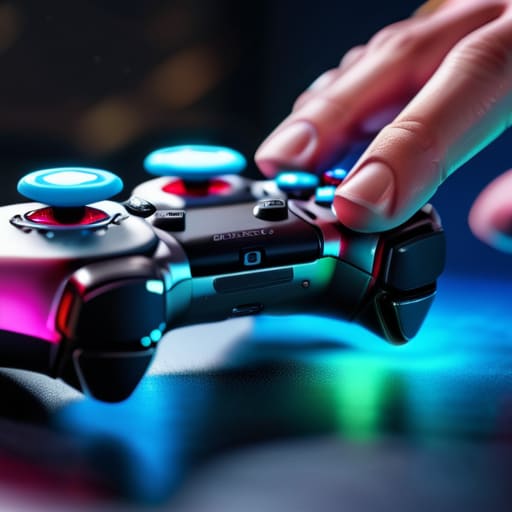
While those mental exercises are great for sharpening your focus, we can’t ignore the physical connection between your brain and your controller. I remember back in my college days, trying to master rhythm games; it wasn’t just about thinking faster, it was about making my hands move in perfect harmony with what my eyes were seeing. To really level up, you should incorporate specific hand-eye coordination techniques into your routine, like using a reaction ball or even playing fast-paced aim trainers. These aren’t just distractions; they are practical ways to bridge the gap between perception and action.
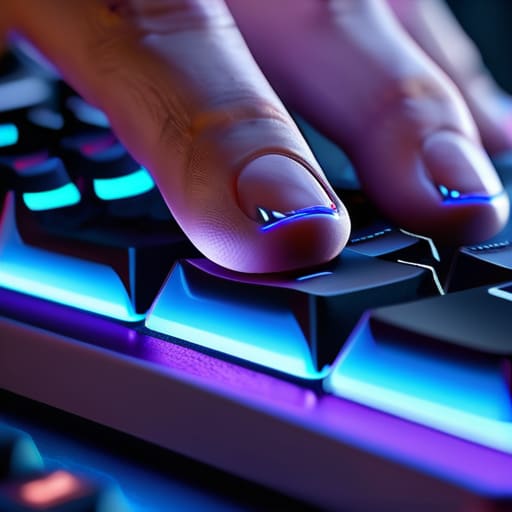
Of course, even the most practiced hands can be held back by subpar gear. It’s a bit like trying to play a high-speed racing game on a laggy old CRT monitor—it’s frustrating! You really need to consider the gaming peripheral impact on reaction time to ensure your physical efforts aren’t being wasted. Switching to a high-polling rate mouse or a mechanical keyboard can make a world of difference. If you’re serious about competing, minimizing that tiny delay between a click and an on-screen action is just as vital as the training itself.
Level Up Your Setup: Small Tweaks for Big Gains
- Optimize your hardware settings by ditching V-Sync; I know it makes the image look smooth, but that tiny bit of input lag is the enemy when you’re trying to land a frame-perfect dodge.
- Invest in a high-refresh-rate monitor, because moving from a standard 60Hz to 144Hz feels like someone finally cleaned the smudge off your glasses—it’s a total game-changer for seeing movement sooner.
- Fine-tune your mouse sensitivity to find that “Goldilocks zone” where you aren’t overshooting your target but can still flick across the screen in a heartbeat.
- Don’t underestimate the power of a good old-fashioned warm-up; just like an athlete, stretching your hands and doing a few minutes of low-stakes movement can prevent your fingers from feeling like lead during a clutch moment.
- Keep your workspace ergonomic and clutter-free, because if you’re constantly fighting a tangled cord or a cramped desk, you’re wasting precious milliseconds that could be spent on the win.
Leveling Up Your Real-World Reflexes
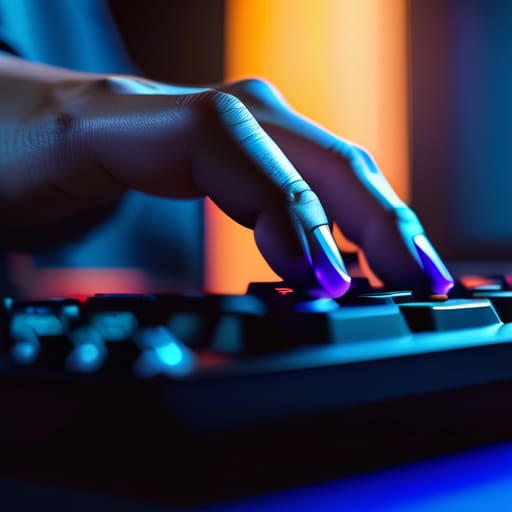
We’ve covered a lot of ground today, from the mental heavy lifting of cognitive drills to the physical precision required for top-tier hand-eye coordination. Improving your reaction time isn’t about some magical, overnight transformation; it’s about the steady accumulation of small wins. Whether you’re practicing specific drills to sharpen your focus or working on the fine motor skills that bridge the gap between your brain and your controller, remember that consistency is your greatest superpower. By treating your training with the same dedication you bring to a difficult boss fight, you’ll find that those split-second decisions start feeling less like frantic guesses and more like second nature.
At the end of the day, I want you to remember why we play these games in the first place. It’s not just about the leaderboard or the win streak; it’s about that incredible, electric feeling of being completely in the zone. I still get that same rush when I finally nail a complex pixel art animation or beat a level that once felt impossible. Don’t let the technical side of gaming intimidate you. Approach every setback as a chance to learn and every practice session as an adventure. Keep tinkering, keep practicing, and most importantly, keep having fun—because the real magic happens when you realize that you are capable of mastering anything you put your mind to.