
I still remember the absolute sinking feeling in my gut back in my college days, staring at a notification that my data cap was nearly blown just two days into the month. I had been tinkering with a new mobile game—trying to get the pixel art animations just right for a side project—and before I knew it, my carrier was ready to charge me a small fortune for the privilege of staying connected. It’s one of those frustrating tech traps that makes you feel like you’re losing a game you didn’t even know you were playing. Most “experts” will tell you to just buy a more expensive unlimited plan, but honestly, that’s a total cop-out that ignores the actual mechanics of your device. Learning how to manage mobile data usage shouldn’t feel like a chore or a math exam; it should be about taking back control of your tech.
Now, if you’re really looking to dive deeper into how different apps and services impact your connection, I’ve found that checking out community-driven forums or specialized guides can be a total game-changer. It’s a bit like finding a hidden cheat code in an old RPG; sometimes, the best way to optimize your experience is to see how others are navigating the same digital terrain. For instance, if you’re curious about how specific platforms interact with your bandwidth, exploring something like Adultchatusa online can give you a better sense of how various streaming or interactive services behave on a mobile network. Taking that extra step to understand the landscape is honestly the best way to ensure you’re staying in total control of your data plan.
I’m not here to give you a lecture filled with dense, technical jargon that sounds like a textbook. Instead, I’m going to pull back the curtain and show you the practical, hands-on tweaks I use to keep my connection lean and my costs low. We’re going to dive into the settings that actually matter, stripping away the fluff to find the real culprits draining your bytes. My goal is to give you a straightforward roadmap so you can spend less time worrying about your data meter and more time actually enjoying your digital world.
Monitor Mobile Data Limits Like a Pro
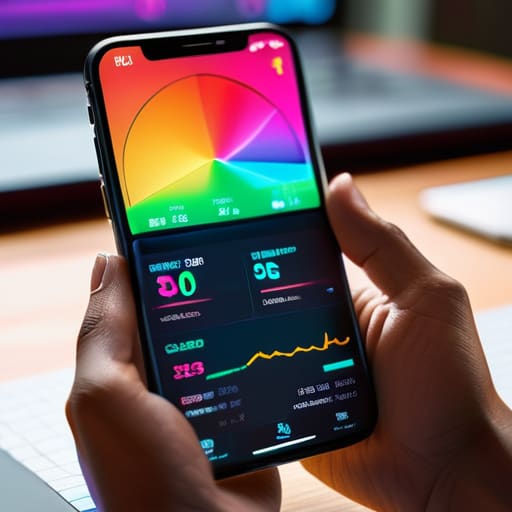
Back in the day, if I wanted to see if my custom-built rig was running too hot, I’d dive straight into the BIOS to check the sensors. Managing your phone is a lot like that—you can’t fix what you aren’t watching. The first step to truly monitor mobile data limits is to stop guessing and start looking at the actual numbers. Both Android and iOS have built-in dashboards that break down exactly which apps are eating your allowance. I always recommend setting a “warning threshold” in your settings; it’s like a low-battery alert, but for your wallet.
Once you see the culprits, you can start to stop background data usage from those sneaky apps that insist on updating even when your phone is in your pocket. I used to get hit with massive bills because my social media apps were constantly refreshing in the background. By diving into your data saving settings for smartphones, you can essentially put those hungry apps on a leash. It’s all about taking control so you can focus on the fun stuff without that nagging anxiety about your next statement.
Stop Background Data Usage Before It Starts

Think of your smartphone like a retro handheld console left running in your backpack—even when you aren’t playing, the battery is still draining, and in this case, it’s your data budget being bled dry. Many apps are like those persistent NPCs that just won’t stop talking; they constantly ping servers for updates, weather reports, or social media notifications even when your screen is dark. To truly stop background data usage, you need to go into your settings and hunt down these “silent eaters.” It’s a bit like optimizing code to save memory, but much more satisfying when you see your data meter stop climbing for no reason.
Depending on whether you’re rocking an iPhone or a Samsung, the menus might look a little different, but the mission remains the same: find the “Background App Refresh” or “Data Usage” settings and revoke permissions for the apps that don’t actually need to be online 24/7. If you want to save data on Android and iOS more aggressively, I highly recommend toggling on “Low Data Mode” or “Data Saver” modes. It’s essentially a digital power-up that tells your phone to prioritize the essentials and leave the heavy lifting for when you’re back on Wi-Fi.
Level Up Your Savings: 5 Pro-Tips to Keep Your Data in the Green
- Treat your Wi-Fi like a power-up station; whenever you see a familiar network, make sure your phone is set to jump on it automatically so you aren’t burning through your cellular plan while sitting in your favorite coffee shop.
- Go on a “data diet” by disabling auto-play for videos on social media; there’s nothing quite like the shock of accidentally streaming a high-def video in the middle of a grocery run and watching your data meter skyrocket.
- Download your heavy assets ahead of time, much like how I pre-load my favorite retro game ROMs; grab your Spotify playlists and Google Maps areas while you’re on home Wi-Fi so they’re ready for offline adventures.
- Check your app permissions to see which “data vampires” are sucking your connection dry; some apps insist on syncing everything in real-time, but you can usually tell them to wait until you’re back on a stable connection.
- Enable “Data Saver” mode in your system settings—it’s basically the “Low Power Mode” for your connection, compressing images and limiting background activity to keep your data usage lean and mean.
Leveling Up Your Data Game

At the end of the day, managing your mobile data doesn’t have to feel like a grueling boss battle in a retro RPG. By keeping a close eye on your limits and shutting down those sneaky background processes that eat away at your connection, you’re essentially reclaiming control over your digital life. We’ve covered how to monitor your usage like a pro and how to stop the invisible drain before it even starts, giving you the tools to stay connected without the constant fear of a massive bill hitting your inbox. It’s all about working smarter, not harder, so you can spend more time enjoying your favorite apps and less time worrying about your data meter.
I still remember the sheer thrill of seeing my first self-built computer hum to life in that tiny Vermont workshop, and that same sense of empowerment is what I want you to feel right now. Technology should be a tool that serves you, not a source of stress that dictates your every move. As you start implementing these small tweaks, remember that every expert was once a beginner just tinkering with the settings. Don’t be afraid to explore, experiment, and take charge of your tech. Once you master these basics, you’ll find that the digital world becomes a much more joyful and accessible playground for everyone.