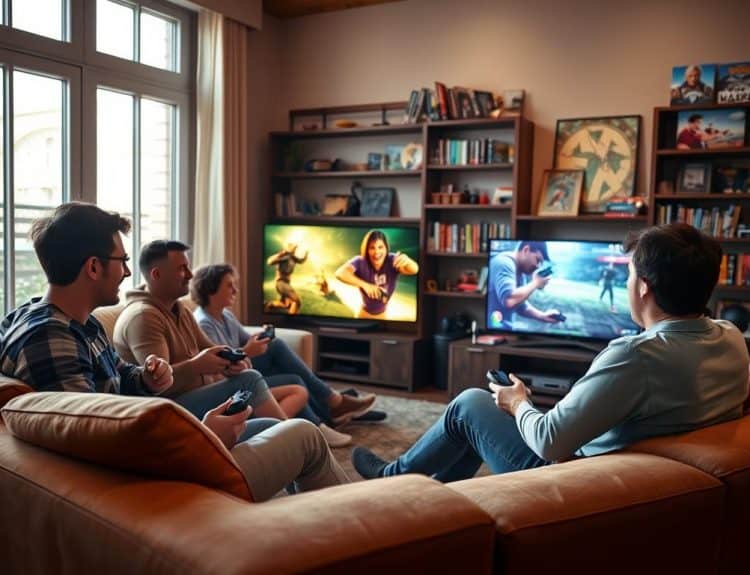
Did you know that 90% of American teenagers play video games often? This fact makes us wonder: is gaming addiction real, or just a myth? As I look into new studies and talks about gaming, I see a big difference. It’s between fun gaming and the compulsive actions linked to gaming disorder.
The World Health Organization (WHO) has recognized gaming disorder in its ICD-11. This shows it’s not just a side talk but a serious issue affecting many. With more technology and screen time, it’s key to dive into gaming addiction’s complex sides and its psychological effects.
Key Takeaways
- Gaming addiction is a pressing issue affecting many teens and young adults.
- The WHO has classified gaming disorder, adding legitimacy to the concerns around the topic.
- There is an important distinction between recreational gaming and compulsive gaming behavior.
- High screen time has led to increased discussions about the effects of gaming addiction.
- The narratives surrounding gaming addiction are evolving with technological advances.
Understanding Gaming Addiction
Gaming addiction, also known as gaming disorder, has become a big topic. It’s not just a joke among gamers anymore. Health groups around the world are taking it seriously. The World Health Organization has set clear addiction definitions for gaming disorder.
They say it’s when gaming takes over your life. You might ignore other important things or hurt your relationships because of it. This shows how serious gaming addiction can be.
Defining Gaming Addiction and Gaming Disorder
Gaming addiction is a big deal in gaming psychology. People with this problem often can’t stop playing games. The rules set by experts help us understand what gaming disorder is.
These rules help us see how too much gaming can hurt our lives. It’s not just about playing games; it’s about how it affects our daily lives.
Historical Perspective on Video Games and Addiction
Looking back at video game history is interesting. Games used to be simple and not addictive. But as technology and culture changed, so did our view of games.
I’ve seen how gaming has changed over the years. It’s moved from a fun activity to something that takes up a lot of time. This change is significant and shows how gaming has evolved.
Is Gaming Addiction Real?
The debate on gaming addiction is ongoing, with different views on whether it’s a real mental health issue. Through empirical evidence from gaming addiction research, I see both sides. Some studies show that signs like being obsessed with games or feeling bad when you can’t play might mean there’s a bigger problem. Yet, these signs can also show up in other mental health issues like ADHD and depression.
Empirical Evidence and Research Findings
Many empirical studies have tried to figure out how common gaming addiction is. But, there’s a lot of disagreement. Some say the lack of clear rules for diagnosing it makes it hard to know for sure. They think many people can enjoy games without getting addicted. This makes us wonder what it really takes to be officially diagnosed.
Recognized Symptoms and Criteria for Diagnosis
Diagnosis systems, like the DSM-5, look for specific signs of addiction. The symptoms of gaming addiction might look a lot like those in substance use disorders. But, it’s tricky to tell if someone is addicted to gaming or not. Figuring out how to understand these signs better could help those struggling.
Comparison with Other Forms of Addiction
Looking at psychological addiction comparisons, gaming addiction is quite different from substance addictions. Unlike chemical addictions, gaming doesn’t involve drugs or alcohol. This makes diagnosing gaming-related problems more complex. It seems like a personalized approach might be best for treating these issues.

The Psychological Impact of Gaming
Gaming is complex, bringing both joy and mental health concerns. It can be a fun escape but also has downsides. Issues like anxiety, depression, and relationship problems can arise from too much gaming. I’ve seen how people react differently to gaming’s good and bad sides.
How Gaming Affects Mental Health
The link between gaming and mental health is clear. Many use gaming to cope with stress, finding it a temporary relief. But, this might hide deeper problems. Spending too much time gaming can make people feel lonely and unhappy, as it replaces real-life connections.
Social Isolation and Its Consequences
Gaming can cause social isolation. While gamers make online friends, too much gaming hurts real-life relationships. I’ve seen friends drift apart, leading to feelings of loneliness. Trying to reconnect with friends after gaming can be tough.
Understanding the Gaming Lifestyle and Coping Mechanisms
Living a gaming lifestyle means finding ways to cope. Some use gaming to avoid daily stress, but it can lead to unhealthy habits. It’s important to find a balance and be mindful of gaming habits. Making time for other activities helps avoid negative effects while keeping gaming’s positive aspects.
Conclusion
In this gaming addiction overview, I’ve looked at both the challenges and benefits. It’s key to understand the valid worries about gaming addiction. Yet, we must also see the many good things gaming can do.
Gaming can boost creativity, sharpen our minds, and help us connect with others. But, finding a healthy balance is critical. I think fighting addiction means learning to play games responsibly.
Looking ahead, we need more research on gaming addiction. As gaming technology and players change, we must keep promoting safe gaming habits. It’s important to balance the risks with the joys of gaming for all ages.
At the end of the day, a balanced approach is essential. I hope to encourage others to enjoy gaming wisely and thoughtfully. By working together, we can make sure gaming stays a positive force in our lives.