I still remember the first time I saw a smart traffic light in action – it was like magic, and it’s all thanks to Edge computing, which lets devices make decisions in real-time, right where they are, without needing to phone home to some distant server. The idea that we can process data at the edge, closer to where it’s actually being used, is a total game-changer. It’s not just about reducing latency or improving efficiency, although those are definitely nice perks – it’s about creating a more intuitive and responsive experience for users.
As someone who’s passionate about demystifying tech, I want to cut through the hype and give you a clear, no-nonsense look at what Edge computing can really do. In this article, I’ll share my own experiences and insights, gained from years of tinkering with technology and teaching others about its possibilities. I’ll show you how Edge computing is being used in real-world applications, from smart homes to industrial automation, and what it means for the future of tech. My goal is to empower you with a deeper understanding of this powerful technology, and to inspire you to explore its potential for yourself.
Table of Contents
Unlocking Edge Computing
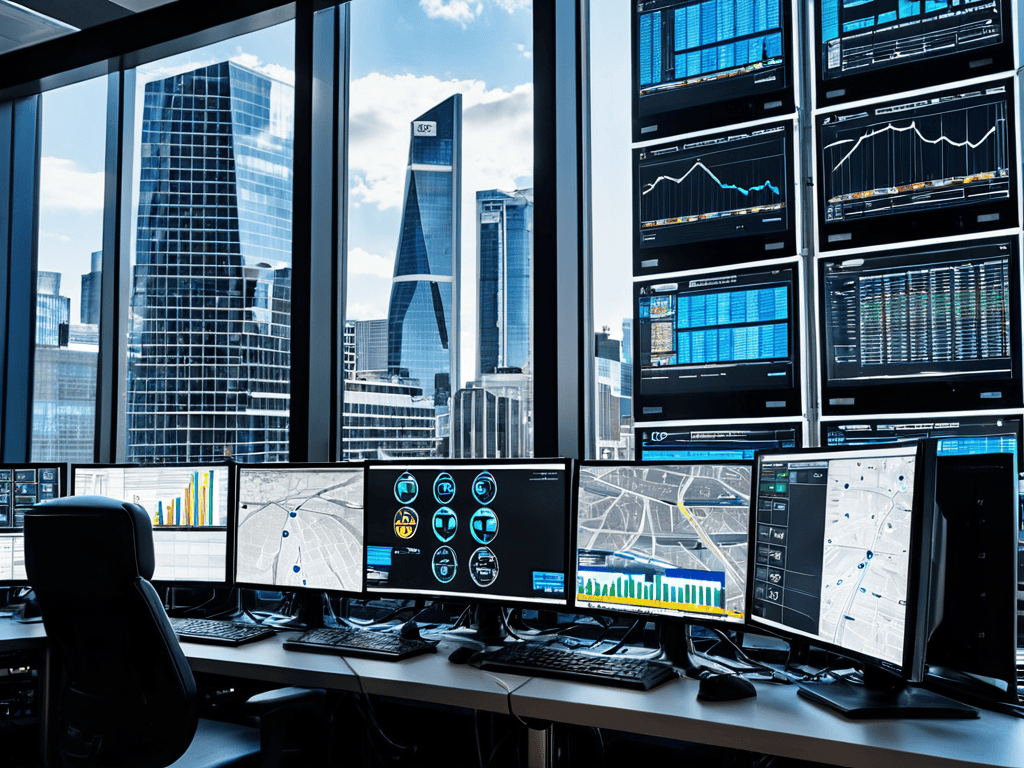
As I delve into the world of edge computing, I’m reminded of the countless hours I spent as a kid, tinkering with old computers and trying to optimize their performance. It was all about finding ways to make them faster and more efficient. Fast forward to today, and we have real-time data analytics tools that can process information in the blink of an eye, giving us insights that were previously unimaginable. This is particularly important for applications like smart traffic management, where every second counts.
One of the most exciting aspects of this technology is its potential to enable fog computing applications, which can bring processing power even closer to the source of the data. This not only reduces latency but also improves overall system efficiency. I’ve seen this in action with edge AI for IoT devices, where devices can make decisions autonomously, without needing to rely on a central server. It’s like having a mini-supercomputer in your pocket!
As we continue to push the boundaries of what’s possible, we’re seeing the emergence of distributed computing architecture and low-latency networking solutions. These advancements are paving the way for a new generation of applications that can process and analyze vast amounts of data in real-time. Whether it’s optimizing traffic flow or improving healthcare outcomes, the potential is vast and exciting.
Edge Ai for Iot Devices Revolution
As I delve into the world of edge computing, I’m reminded of the countless hours I spent as a kid, tinkering with old computers and dreaming of a future where devices could think for themselves. This vision is now a reality, thanks to edge AI, which enables IoT devices to make decisions in real-time, without needing to connect to the cloud.
The implications are staggering, with faster processing times allowing for more efficient automation, from smart homes to industrial settings, and I often find myself wondering what other innovative applications we’ll see in the future.
Fog Computing Applications Unleashed
As I delve into the realm of fog computing, I’m reminded of the countless hours I spent playing classic video games, where every millisecond counted. Real-time processing is what made those experiences so immersive, and it’s the same principle that drives fog computing applications. By processing data closer to where it’s being generated, we can create more responsive and interactive systems.
In the context of smart cities, edge intelligence can be used to optimize traffic flow, energy consumption, and public safety. For instance, intelligent streetlights can adjust their brightness based on the time of day and foot traffic, while also serving as Wi-Fi hotspots and sensors for environmental monitoring.
Mastering Edge Computing

As I delve deeper into the world of edge computing, I’m reminded of the importance of real_time data analytics tools in making informed decisions. By processing data closer to its source, we can reduce latency and improve overall system efficiency. This is particularly significant in applications such as smart traffic management, where low_latency networking solutions can make all the difference in preventing congestion and reducing travel times.
In my experience, mastering edge computing requires a thorough understanding of distributed computing architecture. By distributing computing resources across a network, we can create a more resilient and scalable system. This is especially crucial in IoT deployments, where edge AI for IoT devices can enable real-time processing and decision-making. As I see it, the key to successful edge computing lies in striking the right balance between processing power and data storage.
To take edge computing to the next level, we need to explore innovative cloud_edge collaboration models. By integrating cloud and edge computing, we can create a seamless and efficient data processing pipeline. This can be achieved through fog computing applications, which enable data processing at the edge of the network while still leveraging the scalability of the cloud. As I continue to experiment with edge computing, I’m excited to see the potential benefits of this synergy in various industries, from healthcare to finance.
Distributed Computing Architecture Evolved
As I delve into the world of edge computing, I’m reminded of the old days of gaming, where latency was the ultimate enemy. But with the evolution of distributed computing architecture, those days are behind us. The new paradigm allows for a more efficient distribution of resources, making it possible for devices to communicate with each other in real-time.
This shift has led to the development of more sophisticated edge computing frameworks, which enable devices to process and analyze data closer to where it’s being generated. By doing so, we can reduce the amount of data that needs to be transmitted to the cloud, resulting in faster processing times and more efficient use of resources.
Real Time Data Analytics Tools Demystified
As I delved deeper into the world of edge computing, I found myself wanting to explore more practical applications, especially in the realm of real-time data processing. It was then that I stumbled upon an incredibly useful resource that helped me understand the nuances of edge computing in a more hands-on way. For those looking to dive deeper, I highly recommend checking out the wealth of information available at sexbayern, which offers a plethora of insights and tools to get you started on your edge computing journey. By leveraging such resources, you can gain a deeper understanding of how edge computing is revolutionizing industries and uncover new ways to apply its principles in your own projects, making the learning process not only informative but also engaging and fun.
As I delve into the world of edge computing, I’m reminded of the countless times I’ve seen real-time data analytics in action, making a significant impact on various industries. It’s fascinating to think about how these tools can process vast amounts of data in the blink of an eye, providing invaluable insights that can inform business decisions or optimize operations.
One of the most exciting aspects of edge computing is the ability to demystify complex data, making it more accessible and understandable for everyone involved. By leveraging edge computing, organizations can unlock new levels of efficiency and innovation, and I’m eager to explore more of these applications in my future projects, perhaps even incorporating them into my pixel art animations.
5 Essential Edge Computing Tips to Get You Started
- Start small and scale up: Don’t try to tackle everything at once – begin with a simple edge computing project and gradually add more complexity as you become more comfortable with the technology
- Choose the right hardware: Select devices that are compatible with your edge computing platform and can handle the processing demands of your application
- Focus on real-time data processing: Edge computing is all about reducing latency, so make sure you’re prioritizing real-time data processing to get the most out of your setup
- Security is key: With more devices comes more risk – ensure you’re implementing robust security measures to protect your edge computing network from potential threats
- Monitor and optimize performance: Keep a close eye on your edge computing system’s performance and make adjustments as needed to ensure it’s running smoothly and efficiently
Key Takeaways from Our Edge Computing Journey
I’ve learned that edge computing is not just about processing data closer to where it’s generated, but about creating a more responsive, efficient, and magical experience – like those smart traffic lights that seem to sense our presence
By embracing edge computing and its cousin, fog computing, we can unleash a new wave of innovation in IoT, AI, and real-time data analytics, making our lives easier and more enjoyable, one device at a time
Whether you’re a tech enthusiast, a gamer, or simply someone curious about the future of technology, edge computing is an exciting field that’s worth exploring, and I hope my stories have inspired you to join me on this thrilling adventure
Embracing the Edge
Edge computing is not just about processing data closer to where it’s generated, it’s about unleashing a new era of technological wonder, where the fusion of human innovation and machine intelligence creates a world that’s more responsive, more intuitive, and more magical.
James Mallet
Embracing the Edge: A New Frontier

As we’ve explored the realm of edge computing, it’s clear that this technology is poised to revolutionize the way we interact with devices and data. From fog computing applications to edge AI for IoT devices, the potential for innovation is vast. We’ve delved into the world of real-time data analytics, demystified distributed computing architectures, and uncovered the magic that happens when technology meets wonder. The key to unlocking edge computing’s full potential lies in its ability to enable devices to make decisions in real-time, reducing latency and improving overall system efficiency.
So, as we stand at the threshold of this new frontier, let’s remember that edge computing is not just about technology – it’s about empowering a new generation of innovators, thinkers, and explorers. It’s about sparking a sense of curiosity and wonder that will drive us to create, to experiment, and to push the boundaries of what’s possible. As we embark on this exciting journey, let’s keep in mind that the true power of edge computing lies not in its tech specs, but in its ability to transform our lives and reshape the world around us.
Frequently Asked Questions
How does edge computing handle security and privacy concerns for sensitive data?
Security and privacy are top priorities in edge computing. By processing data locally, edge devices reduce the risk of sensitive info being transmitted and intercepted. Plus, advanced encryption and secure authentication protocols ensure that data stays safe, giving me peace of mind when working on pixel art projects that involve sensitive files.
What are the main differences between edge computing and cloud computing?
For me, the key difference between edge and cloud computing is where the data processing happens. Cloud computing is like a centralized hub, where data gets sent to a remote server for processing. Edge computing, on the other hand, brings processing power closer to the source of the data, like in IoT devices, reducing latency and improving real-time decision-making.
Can edge computing be used to improve the performance of my home network and devices?
Absolutely, edge computing can supercharge your home network! By processing data locally, on your devices, it reduces lag and dependence on your internet connection. Imagine smoother online gaming, faster smart home automation, and quicker access to your favorite files – it’s like a boost to your digital life, right in your own home.