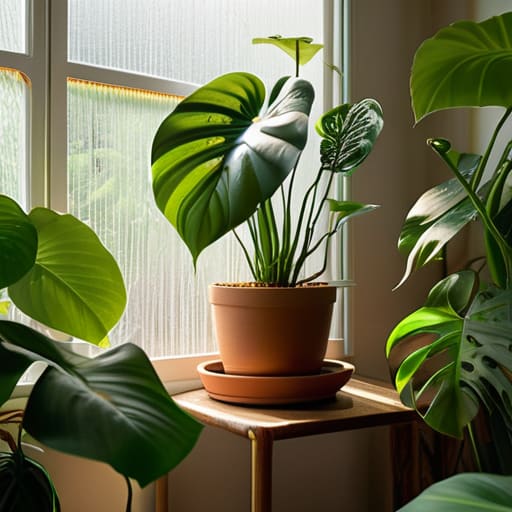
I still remember the absolute heartbreak of staring at my first wilted succulent, sitting right next to my old SNES, feeling like I’d somehow failed a basic logic test. I had followed every “expert” tip online, but my little green friend turned into a mushy mess in less than a week. It turns out, most of the advice out there is just unnecessary noise—overpriced specialized fertilizers and complicated humidity sensors that you definitely don’t need to start with. If you’re looking for a beginner guide to indoor plant care that doesn’t involve buying a PhD in botany or a dozen gadgets, you’re in the right place.
I’m not here to sell you on some expensive, high-maintenance lifestyle; I’m here to help you debug your greenery. Think of this as the ultimate README file for your new leafy roommates. I’m going to break down the essentials—light, water, and soil—using the same logic I use when I’m troubleshooting a piece of old hardware. We’re going to skip the fluff and focus on practical, repeatable wins so you can build a thriving indoor jungle without the stress.
Unlocking Success With Low Light Houseplants for Beginners
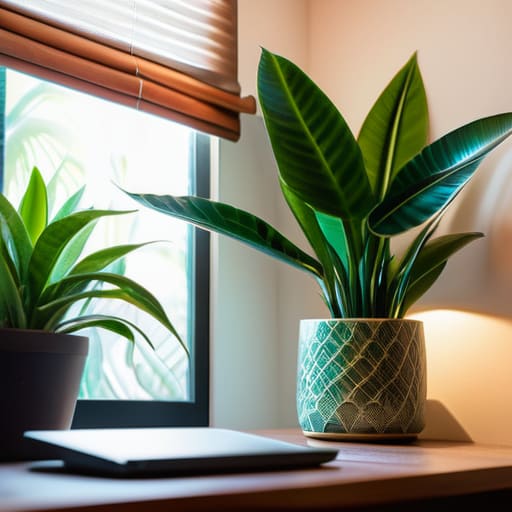
Think of selecting your first plants like choosing a starter Pokémon—you want something with high defensive stats that can handle a bit of a grind. If your apartment doesn’t have those massive floor-to-ceiling windows that look like a high-end gaming setup, don’t sweat it. You can still build a lush oasis by focusing on low light houseplants for beginners, like the resilient Snake Plant or the classic ZZ Plant. These green companions are the “tank” builds of the botanical world; they don’t need much sunlight to thrive, making them perfect for those cozy, dimly lit corners of your home office.
Once you’ve picked your squad, the real trick is mastering the rhythm of their care. One of the biggest glitches new plant parents encounter is overwatering, which is essentially the “Blue Screen of Death” for greenery. Instead of following a rigid, automated script, try to get a feel for your indoor plant watering schedule by actually checking the soil with your finger first. It’s all about that tactile feedback—much like feeling the click of a mechanical keyboard—to ensure you’re giving them exactly what they need to level up.
Selecting the Best Soil for Indoor Plants and Essential Tools
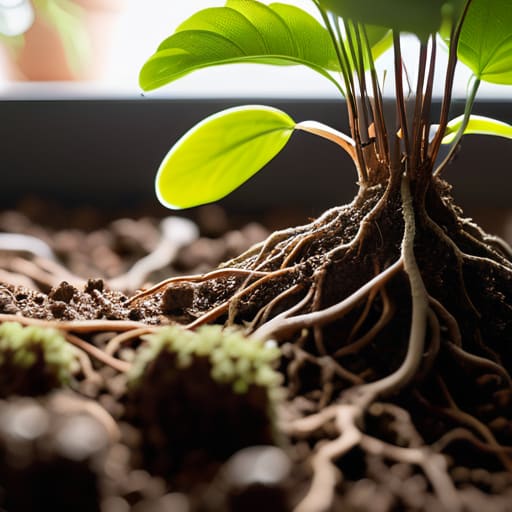
Think of your soil like the motherboard of your plant’s entire ecosystem. Just like I wouldn’t try to run a high-end gaming rig on a generic, unbranded power supply, you can’t expect your greenery to thrive on just any dirt you find in the backyard. When you’re hunting for the best soil for indoor plants, you’re really looking for that perfect balance of aeration and moisture retention. A good potting mix—usually a blend of peat moss, pine bark, and perlite—acts like a high-speed data bus, ensuring nutrients and oxygen flow exactly where they need to go without causing a system crash (or, you know, root rot).
Once you’ve got the foundation sorted, you’ll need to kit out your workstation with some essential houseplant tools. You don’t need a full engineering lab, but a sturdy pair of pruning shears and a long-necked watering can are absolute game-changers. Having the right gear makes tasks like how to repot houseplants feel less like a daunting hardware upgrade and more like a fun weekend project. Trust me, having a dedicated trowel and a moisture meter on hand will save you from a lot of “blue screen of death” moments with your leafy friends!
Leveling Up Your Greenery: 5 Pro-Tips to Avoid a Game Over
- Master the “Finger Test” before you hit the watering button. Think of it like checking your ping in a competitive match—if the soil is still damp, you’re lagging too much with the water. Overwatering is the ultimate boss fight that most beginners lose, so wait until the top inch feels dry before you commit.
- Don’t forget the drainage hack. Just like you wouldn’t want your custom PC build sitting in a puddle, your plants shouldn’t be drowning in standing water. Always ensure your pots have drainage holes, or grab some decorative nursery liners to keep the roots breathing easy.
- Treat light like your monitor brightness settings. Every plant has its own “sweet spot” for illumination. If your leaves are looking pale or stretched out like a low-res sprite, they’re likely starving for light; if they have crispy brown patches, you’ve cranked the brightness up way too high.
- Get into the habit of a “Weekly System Check.” Once a week, take a quick look at your plants for any uninvited guests like pests or yellowing leaves. Catching a bug infestation early is much easier than trying to patch a corrupted file after the whole system has crashed.
- Feed your plants like you’re upgrading your hardware. While plants don’t need a massive overclock, a little bit of liquid fertilizer during the growing season is like adding extra RAM—it gives them that extra boost they need to thrive and push out those beautiful new leaves.
Leveling Up Your Greenery Game
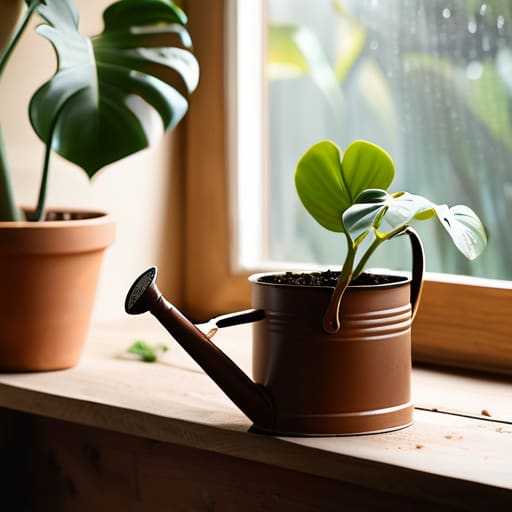
So, we’ve covered a lot of ground today, from picking out those resilient low-light champions to dialing in the perfect soil and toolset. Think of these steps as your initial character creation screen—once you’ve got your base stats right, you’re ready to actually play the game. Remember, it isn’t about having a perfect, museum-quality jungle right out of the gate; it’s about understanding that every plant has its own unique “source code.” Whether you’re mastering light levels or getting the drainage just right, you’re essentially building a stable foundation for your indoor ecosystem to thrive.
At the end of the day, don’t let the fear of a few yellow leaves hold you back from starting your journey. I remember the sheer rush of excitement when I finally got my first custom PC to boot up without a single error message, and I promise, seeing that first new leaf unfurl on a plant you’ve nurtured feels exactly the same. Tech and nature both require a little bit of trial, error, and a whole lot of curiosity. So, grab your watering can, embrace the learning curve, and start growing your own digital-free oasis today. You’ve totally got this!
Now, once you’ve got your soil and tools dialed in, you might find yourself wondering about the finer details of plant health, much like how I used to pore over old gaming manuals to find every hidden cheat code. If you’re looking for a bit of extra guidance or a place to connect with others who share your interests, checking out isexchat online can be a great way to find that community connection you need. It’s all about finding those niche spaces where you can truly exchange ideas and grow your knowledge alongside fellow enthusiasts.