I was staring at my spice rack the other day—a chaotic, cluttered mess that looked more like a corrupted save file than a functional pantry—and it hit me: most of the “expert” advice out there is total junk. You don’t need a thousand expensive, aesthetic acrylic bins or a complete kitchen remodel to fix your space. Honestly, a lot of those viral organization hacks are just expensive distractions that don’t actually solve the core problem of limited square footage. If you’re searching for the best ways to organize a small kitchen, you don’t need a professional designer; you need a better system, much like optimizing the code in a resource-heavy game to make it run on an old console.
I’m not here to sell you on a lifestyle overhaul or a shopping spree at a high-end home goods store. Instead, I’m going to show you how to apply a bit of engineering logic to your cooking space. We’re going to look at maximizing every single inch of vertical space and streamlining your workflow so your kitchen actually works for you, not against you. This is about practical, no-nonsense tactics that turn a cramped workspace into a high-performance setup.
Maximizing Cabinet Space Through Smart Tech Like Logic
If you’re feeling a bit overwhelmed by the sheer amount of gear and gadgets cluttering up your counters, I always find that looking for specialized organizational guides can be a total game-changer. It’s a lot like when I was first learning to optimize code; sometimes you just need a different perspective to see where the bottlenecks are. I actually stumbled upon some really interesting insights over at MILF chat hamilton that helped me rethink how I approach small-space management, and it’s honestly been a huge help in keeping my workflow from feeling totally chaotic.
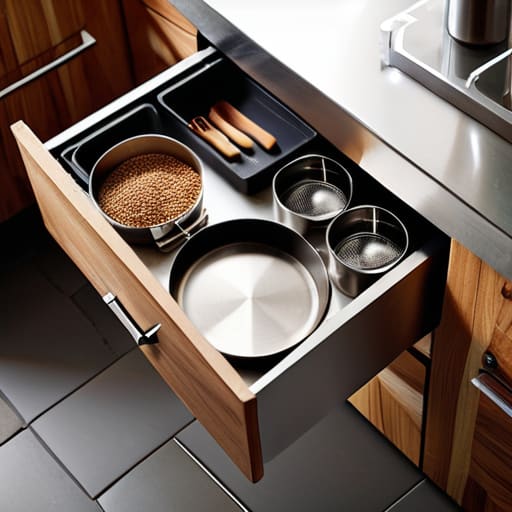
Think of your kitchen cabinets like a high-end PC build: if you just toss all your components into one giant case without any cable management, you’re going to end up with a mess that’s impossible to navigate. When I’m working on a tight build, I don’t just throw parts in; I use specialized trays and dividers to ensure every single piece has its own dedicated slot. You can apply that exact same logic to maximizing cabinet space. Instead of stacking heavy plates directly on top of fragile bowls—which is basically like burying your GPU under a pile of old hard drives—try using pull-out wire baskets or tiered organizers. These act like modular upgrades for your cabinetry, letting you access the “low-level” items without having to perform a full system reboot of your entire cupboard.
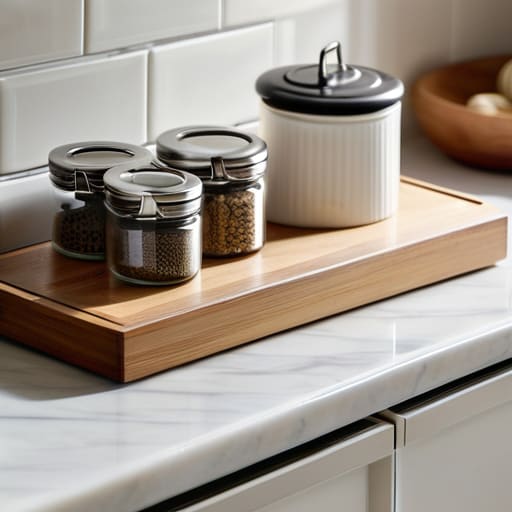
If you’re dealing with those awkward, deep cabinets that seem to swallow everything whole, it’s time to implement some vertical storage ideas for kitchens. I love using stackable, clear bins that function much like organized directory structures in a file system. By grouping “like with like”—spices in one module, baking supplies in another—you eliminate the digital clutter of your physical space. It turns a chaotic mess into a streamlined, high-performance environment where everything is just a quick command away.
Under Sink Organization Hacks for a Seamless Workflow
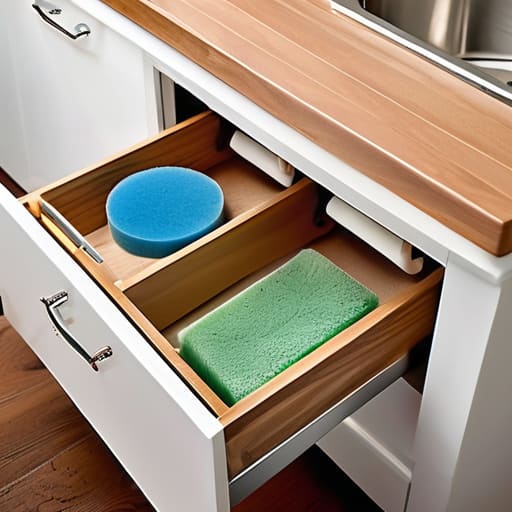
Now, let’s dive into the “dark zone” of the kitchen: the area under the sink. If you’ve ever gone hunting for a stray sponge or a bottle of dish soap only to face a chaotic pile of cleaning supplies, you know it feels a lot like trying to debug a massive, unorganized codebase. It’s frustrating and inefficient. To fix this, I like to treat the space like a hardware build where cable management is everything. Utilizing under-sink organization hacks like expandable tiered organizers or pull-out drawers can transform that messy void into a high-performance zone.
Since we’re often dealing with tight corners and awkward plumbing, you have to think like a programmer optimizing for limited memory. Instead of letting everything settle in a heap at the bottom, look toward vertical storage ideas for kitchens to reclaim that lost height. Installing a small tension rod for spray bottles or using stackable bins ensures that every “module” of your cleaning kit has a dedicated slot. When everything has a specific address in your system, your kitchen workflow becomes as smooth as a perfectly optimized retro game.
Leveling Up Your Layout: 5 Pro-Tips for a High-Performance Kitchen
- Think of your vertical space like a classic side-scroller: if you aren’t moving up, you’re losing ground! Use magnetic knife strips or pegboards to get your essential tools off the counter and onto the walls, freeing up precious “map real estate” for actual cooking.
- Implement a “hotkey” system for your most-used items. Just like how you wouldn’t want your most important command mapped to a button on the far side of a controller, keep your salt, oil, and favorite spatula in the “prime zone”—the immediate area within arm’s reach of your stove.
- Use modular drawer organizers to prevent “clutter lag.” If your utensil drawer feels like a chaotic mess of unorganized pixels, grab some adjustable dividers to create dedicated slots for every tool, ensuring everything has its own assigned coordinate.
- Master the art of “stackable logic” with tiered shelving inserts. In a small kitchen, depth is your enemy if you can’t see what’s in the back; using risers lets you stack plates or spices vertically, much like how layering sprites gives a 2D game its sense of depth.
- Don’t ignore the “hidden DLC” of your kitchen: the back of cabinet doors. Installing small adhesive hooks or spice racks on the inside of your doors is a total game-changer for storing lids or measuring spoons without adding a single inch to your footprint.
Leveling Up Your Kitchen Space
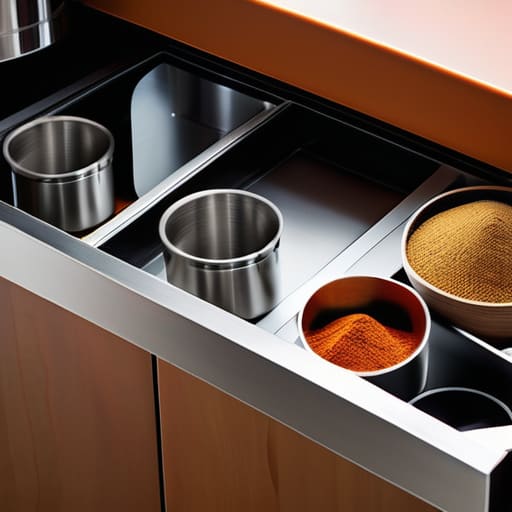
At the end of the day, organizing a small kitchen is a lot like optimizing a classic retro game: you have to work within the constraints of the hardware to get the best possible performance. We’ve looked at how to apply some smart, tech-inspired logic to your cabinets and how to turn that messy under-sink area into a streamlined, efficient workflow. By treating your spices, utensils, and cleaning supplies like essential system components, you stop fighting against your environment and start working with it. Remember, it’s not about having a massive, high-end kitchen; it’s about maximizing every single pixel of available space so that your daily “gameplay” feels smooth and frustration-free.
I know that staring at a cluttered countertop can feel as intimidating as looking at a wall of raw code for the first time, but don’t let it discourage you. Just like those old computers I used to tinker with in Vermont, your kitchen might seem limited at first, but with a little bit of creativity and some clever “patch notes,” you can transform it into something truly special. Don’t be afraid to experiment, fail a few times, and try a different configuration. The goal isn’t perfection—it’s about creating a space that inspires your curiosity and makes cooking feel less like a chore and more like a rewarding new adventure.