Did you know over 1.4 billion devices worldwide now support eSIM technology as of 2023? This shows a big change in how we connect to the internet. The debate between eSIM and physical SIM cards is growing. eSIMs make switching between phone carriers easy without swapping cards.
Physical SIMs are familiar but eSIMs are gaining ground. They offer more flexibility and convenience. I want to look at what makes each SIM type special. We’ll see how they compare in ease of use, compatibility, and their effect on mobile connectivity.

Key Takeaways
- The rise of eSIM technology has transformed mobile connectivity.
- Physical SIM cards are widely used.
- eSIMs make it easy to switch between carriers.
- Compatibility is key when choosing a SIM type.
- Both have benefits that fit different user needs.
Understanding eSIM Technology
eSIM technology is changing how we connect to mobile devices. It’s a big step up from old SIM cards. Now, managing our cell plans is easier and more flexible.
What is an eSIM?
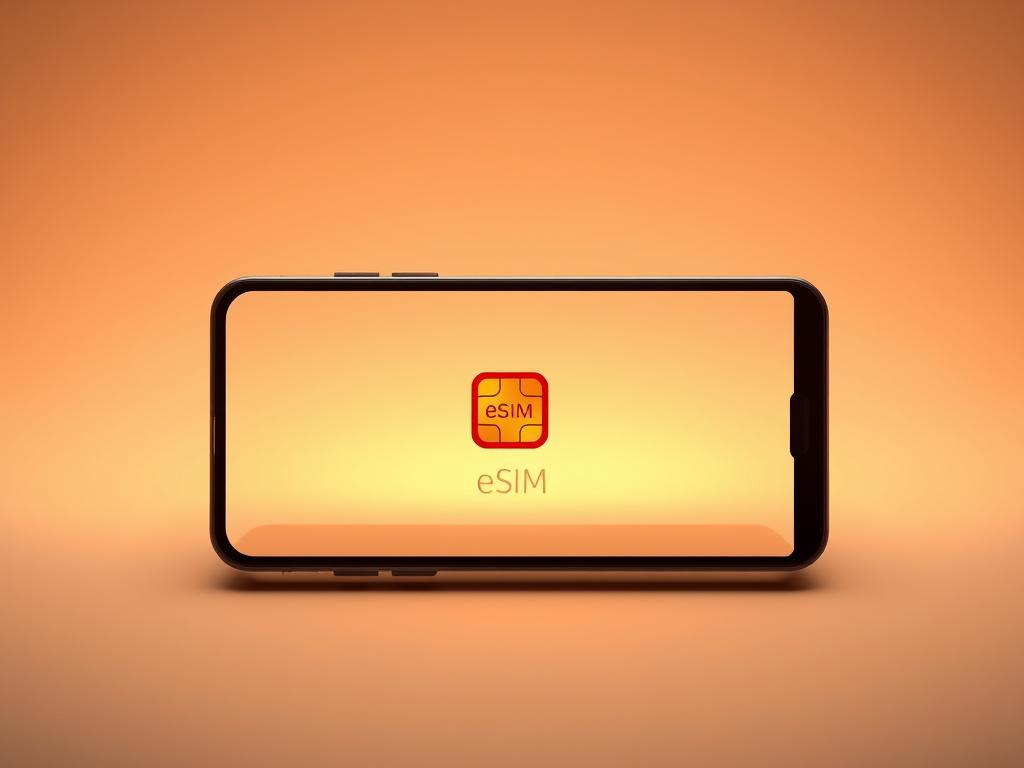
An eSIM is a digital SIM card inside your phone. It lets you switch plans without a hassle. No need for a separate card to change networks.
How eSIM Works
Using an eSIM is easy. You pick your plan through software, no physical SIM needed. Just scan a QR code or download a profile from your carrier. This makes connecting to new networks quick and simple.
Advantages of eSIM Technology
eSIM technology brings lots of benefits. You can have many profiles on one SIM, making it easy to switch plans. It’s great for travelers who can avoid high roaming costs. eSIM makes managing your mobile connection simple and offers more choices than before.
eSIM vs Physical SIM: A Comparison
Choosing between eSIM and physical SIMs, the ease of switching networks is key. eSIMs make changing carriers simple, letting users manage their connections on their devices. This means I can switch networks in just a few taps, without needing a physical card.
Switching Networks: Convenience Factor
eSIMs bring a big advantage in switching networks. I can quickly change service providers without waiting for a new SIM card. This is great for travelers or those who want to try different carriers.
Even though some MVNOs don’t support eSIMs, major carriers have caught up. This makes it easier to use eSIM technology.
Compatibility with Devices and Carriers
While eSIMs have many benefits, physical SIMs are better for compatibility. Most devices work with physical SIMs, giving access to many networks. This is important for me, as I often check if devices support eSIMs.
As carriers improve their eSIM support, it’s key to check if your device can use eSIM features. This ensures you get the most out of your device.
Impact on Signal Strength and Mobile Connectivity
Knowing how signal strength affects mobile connectivity is key to a better user experience. This is true whether you use an eSIM or a physical SIM. Many factors can change signal quality, affecting how devices connect to networks and talk to others.
Factors Affecting Signal Strength
Several things can change signal strength. Being far from cell towers weakens the signal. Also, things like buildings, hills, or trees can block signals. Weather can also affect signal quality.
The type of SIM card doesn’t change signal strength. But, the network’s infrastructure does.
Role of Network Providers in Signal Quality
Network providers are key to strong signal strength and reliable mobile connectivity. Their investments in infrastructure affect service quality. They can improve signal strength by optimizing networks, expanding coverage, and updating technology.
This focus on strong systems helps users get better connectivity. It doesn’t matter if they use eSIMs or physical SIMs.
Conclusion
When it comes to choosing between eSIM and physical SIM cards, it’s all about what you need. eSIMs offer flexibility and convenience, perfect for those who travel a lot or switch networks often. They also help reduce plastic waste, which is good for the environment.
But, physical SIMs have their own perks. They’re reliable and work well with many devices. So, if you want something that’s easy to use and compatible with lots of tech, a physical SIM might be better.
Choosing the right SIM depends on your personal needs and what you use your phone for. As technology keeps changing, eSIMs are becoming more popular. Keeping up with these changes will help us understand how our phones will connect in the future.