Did you know over 80 million Americans listen to podcasts each month? Great sound quality is now a must for podcasters. The right podcast editing software can make your podcast sound professional, even if you’re new.
Finding the best podcast editing apps is key. It can turn your audio from okay to amazing. I’ll show you why choosing the right tools is important and guide you to the best software for your needs.
Choosing the right tools can be tough, with so many options out there. But, the best tools don’t have to be expensive or hard to use. Let’s explore what makes an editing app great for high-quality sound. This way, you can connect with your audience and make a big impact with each episode.
Key Takeaways
- Over 80 million Americans listen to podcasts monthly, raising the bar for sound quality.
- The best podcast editing software can elevate audio production significantly.
- Choosing the right podcast editing apps is vital for both newcomers and seasoned podcasters.
- Effective tools don’t have to be costly or complex to deliver professionalism.
- A selection of options exists to cater to different user needs and skill levels.
Understanding Podcast Editing Software
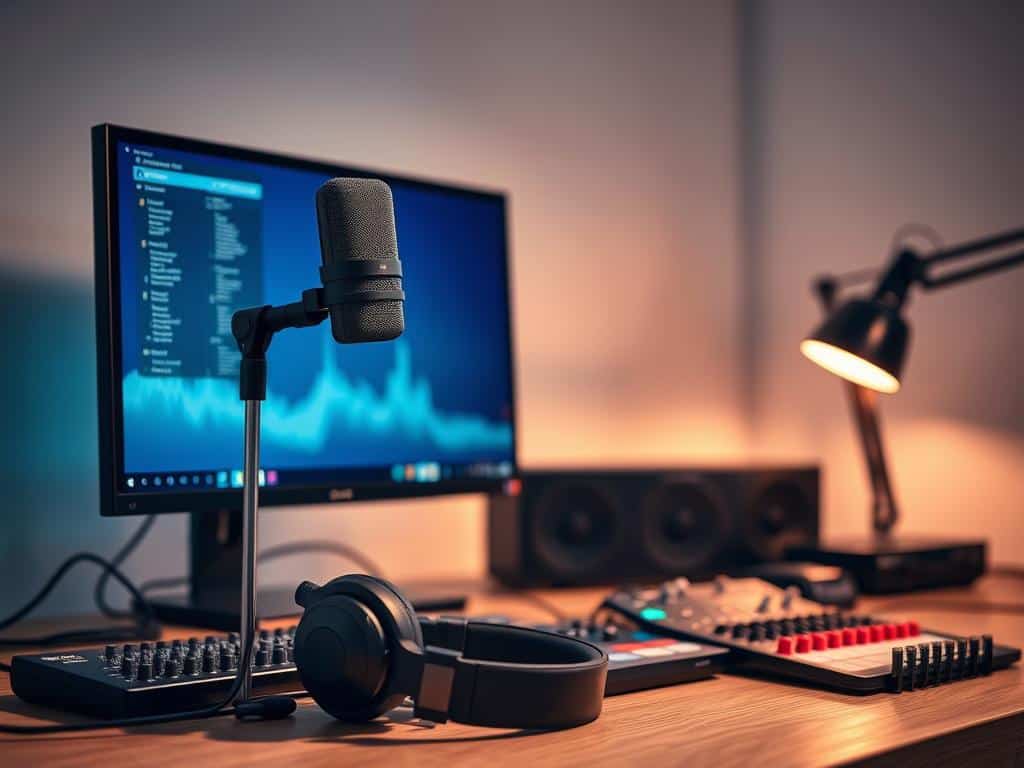
Exploring podcasting, I see how editing is key. Good audio keeps listeners hooked. Without editing, audio can sound amateurish, hurting the message or fun.
This part talks about editing software features. It shows how they fit different podcast styles. This helps creators meet their recording needs.
The Importance of Podcast Editing
Editing is critical in podcasting. It boosts audio quality and cuts down background noise. It makes sure the sound is clear.
Tools like noise reduction and multitrack editing are essential. They help make the podcast sound professional. This keeps listeners interested.
Key Features to Look For in Editing Software
Choosing editing software, look for certain features. A simple interface is important for beginners. It makes learning easier.
Noise reduction and multitrack editing are also key. They improve audio quality. This ensures a great listening experience for your audience.
Types of Podcast Formats and Their Software Needs
Knowing different podcast types is important. Interview podcasts need good call recording tools. Solo shows require easy editing tools.
Panel discussions need software that handles multiple tracks well. Understanding these needs helps pick the right software. It makes editing smoother.
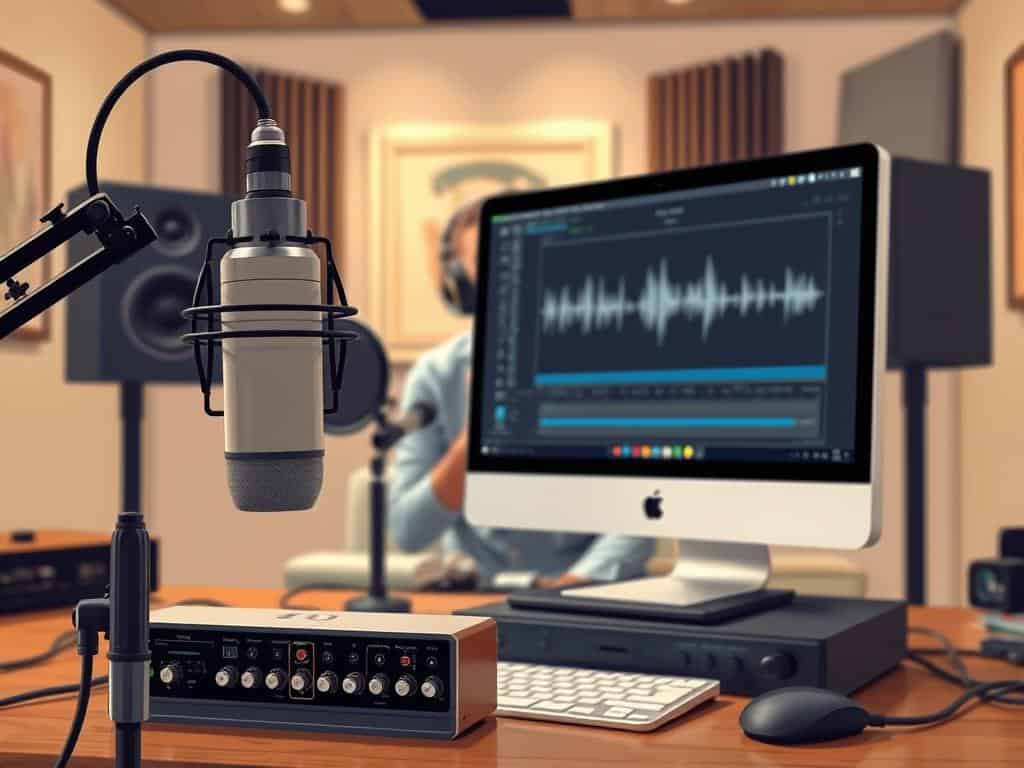
Best Podcast Editing Software
Finding the best podcast editing software can be tricky. Every podcaster has different needs and budgets. This section will help you find the right tools, no matter your experience or budget.
Top Recommendations for Different Budgets
Audacity is great for beginners because it’s free. It has lots of features for learning how to edit. GarageBand is easy to use and perfect for Mac users on a budget.
If you’re ready to spend money, Adobe Audition is top-notch. It’s for serious podcasters. Alitu is easy to use and perfect for beginners who don’t know much about audio.
Comparing Free vs Paid Podcast Editing Software
Deciding between free and paid software is important. Free options like Audacity and GarageBand are good for basic editing. But, if you want better quality, paid options like Adobe Audition are worth it.
In-Depth Overview of Popular Software Options
Looking at each software shows their strengths. Descript stands out for its text-based editing. It lets you edit audio by changing the text, which is great for all podcasters.
Choosing the right software depends on your needs and budget. With so many options, you can find the perfect fit for your podcast.
Conclusion
Choosing the right podcast editing software is key to making your podcast stand out. There are many options, from free to premium, making professional audio production easier. But, remember, the best software for you depends on your needs and podcast style.
Exploring different audio editing tools has been a game-changer for me. It’s helped me create compelling stories and perfect the sound. I suggest trying out different software to find what works best for you.
Learning and growing in audio editing is important for me. Staying updated with new tech and listening to feedback helps me connect with my audience. The right software can make a big difference in quality and engagement.