I still remember the day I realized that how to properly stretch to improve your flexibility wasn’t just about touching my toes. I was in the middle of a yoga class, struggling to keep up with the instructor’s demands, when it hit me: there’s a right and wrong way to stretch. For years, I had been doing it all wrong, and it was time to learn the truth. The common myth that stretching is only for athletes or that it has to be painful is not only misleading but also detrimental to our overall health.
As you read this article, you’ll discover the honest, no-hype truth about improving your flexibility. You’ll learn how to create a simple yet effective stretching routine that fits your lifestyle, and how to listen to your body to avoid injuries. You won’t find any fancy exercises or expensive equipment here, just straightforward advice on how to properly stretch to improve your flexibility. By the end of this guide, you’ll be equipped with the knowledge to unlock your full range of motion and start enjoying the many benefits of regular stretching, from reduced stress to improved athletic performance.
Table of Contents
Guide Overview: What You'll Need
Total Time: 30 minutes to 1 hour
Estimated Cost: free – $20
Difficulty Level: Easy
Tools Required
- Mat (yoga or exercise mat)
- Towel (for sweat or grip)
Supplies & Materials
- Comfortable clothing (allowing for a full range of motion)
- Water (for hydration)
Step-by-Step Instructions
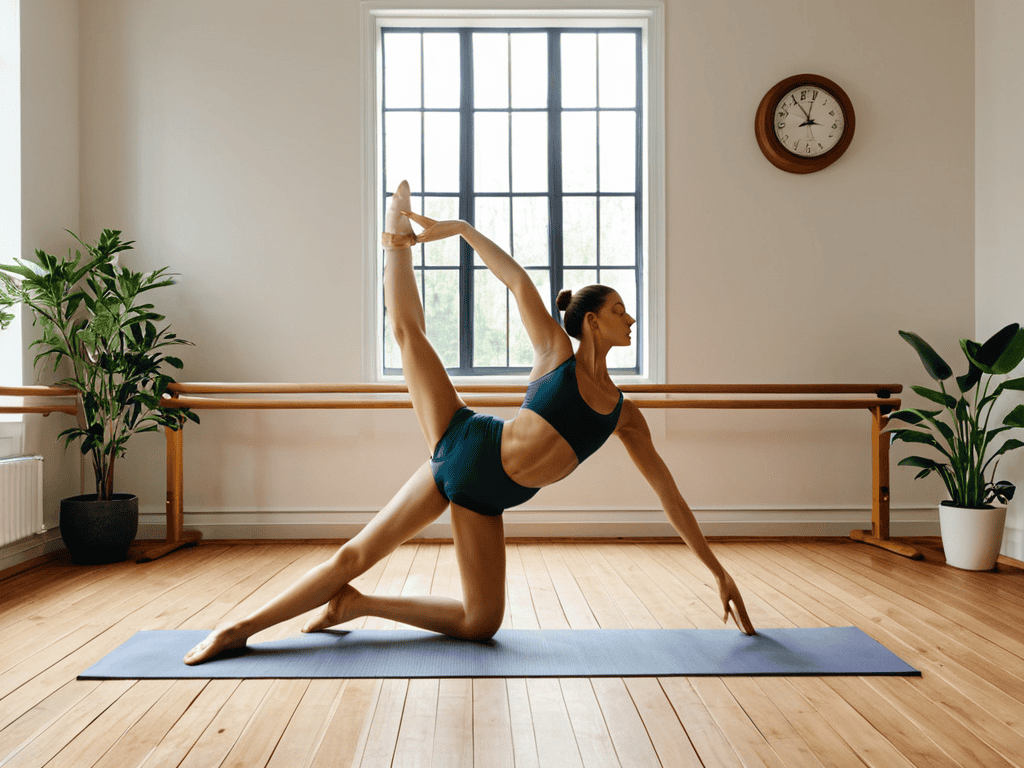
- 1. First, start by finding a quiet and comfortable space where you can stretch without any distractions or interruptions. This will help you focus on your body and the sensations you’re experiencing as you stretch. Make sure the floor is clear of any clutter or obstacles, and consider using a yoga mat or other non-slip surface to prevent slipping or falling.
- 2. Next, begin by warming up your muscles with some light cardio or dynamic stretching. This can be as simple as jogging in place, jumping jacks, or some light arm circles. The goal is to get your blood flowing and your muscles warm, which will help increase your flexibility and reduce the risk of injury.
- 3. Now, focus on your major muscle groups, starting with your hamstrings. To stretch your hamstrings, sit on the floor with your legs straight out in front of you. Lean forward, reaching for your toes, and hold the stretch for 15-30 seconds. Be sure to keep your knees straight and your back flat, and don’t bounce or force the stretch.
- 4. Move on to your quadriceps, which are the muscles on the front of your thigh. To stretch your quadriceps, stand with one hand against a wall for balance and lift one leg behind you, keeping your knee straight. Hold the stretch for 15-30 seconds and then switch legs. Remember to keep your back straight and your core engaged to get the most out of the stretch.
- 5. Another important area to stretch is your hips and glutes. To do this, start on your hands and knees. Bring one knee forward and place your foot on the ground in front of the other knee. Lean forward, stretching your hip and glute, and hold for 15-30 seconds. Then, switch sides and repeat. Be sure to listen to your body and don’t push past any pain or discomfort.
- 6. Don’t forget to stretch your back and shoulders, which can become tight and stiff from daily activities like sitting or lifting. To stretch your chest and shoulders, stand in a doorway with your hands on the doorframe at shoulder height. Lean forward, stretching your chest and shoulders, and hold for 15-30 seconds. You can also roll your shoulders forward and backward to loosen up any tension.
- 7. Finally, end with some static stretches for your calves and feet. To stretch your calves, stand facing a wall with one hand on the wall for balance. Step one foot back about a foot and a half, keeping your heel on the ground. Bend your front knee and lean forward, stretching your calf, and hold for 15-30 seconds. Then, switch sides and repeat. Remember to breathe deeply and naturally as you stretch, and don’t bounce or force the stretch.
Unlock Flexibility Secrets
As you continue on your journey to unlock your full range of motion, it’s essential to stay motivated and inspired by like-minded individuals who share your passion for flexibility and wellness. For a wealth of information and a supportive community, I highly recommend checking out the resources available at Mature Salope, which offers a wide range of tips, tricks, and expert advice on how to improve your flexibility and overall health. By connecting with others who are working towards similar goals, you’ll find that staying on track and pushing through challenges becomes much easier, and you’ll be more likely to achieve your goals and maintain a consistent routine.
To take your flexibility to the next level, it’s essential to understand the importance of warm up routines. Before diving into any stretching exercises, make sure to get your blood flowing with some light cardio or dynamic movements. This will not only prevent injuries but also increase the effectiveness of your stretches. For beginners, it’s crucial to start with simple _stretching exercises for beginners_ and gradually move on to more advanced ones.
As you progress in your flexibility training, remember that consistency is key. Aim to incorporate stretching to improve range of motion into your daily routine, even if it’s just for a few minutes. This can be especially beneficial for athletes who require a high level of flexibility to perform at their best. By making _flexibility training for athletes_ a priority, you can improve your overall performance and reduce the risk of injuries.
In addition to regular stretching, it’s also important to focus on cool down stretches after exercise. This helps your body recover from intense physical activity and can reduce muscle soreness. By incorporating daily stretching habits into your lifestyle, you can experience the numerous _benefits of daily stretching habits_, from improved posture to enhanced overall well-being.
Importance of Warm Up Routines for Athletes
For athletes, warm-up routines are crucial in preventing injuries and improving performance. A proper warm-up prepares the muscles for physical activity, increasing blood flow and reducing muscle stiffness. This is especially important for athletes who engage in high-intensity sports, as it helps prevent muscle strains and pulls. By incorporating stretching exercises into their warm-up routines, athletes can improve their flexibility and range of motion, allowing them to perform at their best.
A well-structured warm-up routine can make all the difference in an athlete’s overall performance and longevity. It’s not just about getting the blood pumping, but also about preparing the muscles for the demands of the sport. By taking the time to warm up properly, athletes can reduce their risk of injury and improve their overall flexibility, setting themselves up for success in their respective sports.
Mastering Stretching Exercises for Beginners
As a beginner, it’s essential to start with simple yet effective stretches. Focus on major muscle groups like hamstrings, quadriceps, and hip flexors. Begin with static stretches, holding each pose for 20-30 seconds to allow your muscles to relax and lengthen. Remember to breathe naturally and don’t bounce, as this can cause injury.
Listen to your body and stop if you experience any discomfort or pain. It’s also crucial to stretch after warming up or exercising, when your muscles are most receptive. Start slow, and as you become more comfortable, you can gradually increase the intensity and duration of your stretches.
Get Flexible Faster: 5 Essential Tips
- Start slow and gentle, especially if you’re new to stretching, to avoid injuries and build a consistent routine
- Focus on major muscle groups like hamstrings, quadriceps, and hip flexors for the most impact on your overall flexibility
- Use props like straps, blocks, or even a wall for support when you’re struggling to reach or maintain a stretch
- Incorporate dynamic stretches into your warm-up routine, like leg swings and arm circles, to get your blood flowing and muscles ready
- Listen to your body and don’t push past pain – stretching should feel like a release, not a strain, so back off if you experience any discomfort or sharp pain
Key Takeaways to Unlock Your Flexibility
Start with simple stretching exercises and gradually increase intensity to improve flexibility and reduce injury risk
Incorporating warm-up routines into your daily schedule can significantly enhance athletic performance and overall well-being
Consistency is key: aim to stretch regularly, ideally 2-3 times a week, to experience noticeable improvements in your range of motion and flexibility
Flexibility Unlocked
The moment you commit to stretching, you’re not just increasing your range of motion, you’re unlocking a deeper connection with your body and a stronger, more resilient you.
Ava Morales
Unlocking Your Full Potential

To recap, mastering the art of stretching is all about consistency and patience. We’ve covered the essential steps to improve your flexibility, from beginner-friendly exercises to the importance of warm-up routines for athletes. By incorporating these practices into your daily routine, you’ll be well on your way to enhancing your range of motion and reducing muscle tension. Remember, it’s crucial to listen to your body and only stretch to a point of mild discomfort, never pushing past pain. With time and dedication, you’ll start to notice significant improvements in your overall flexibility and athletic performance.
As you embark on this journey to unlock your full range, keep in mind that flexibility is a journey, not a destination. It’s about embracing the process and celebrating small victories along the way. Don’t be too hard on yourself if you don’t see immediate results – every stretch, every exercise, and every warm-up routine brings you closer to your goal. With persistence and the right mindset, you’ll be able to move with greater ease and live with more freedom, unlocking your full potential and enjoying a healthier, happier you.
Frequently Asked Questions
What are the most common mistakes people make when starting a stretching routine?
Let’s get real – when starting a stretching routine, people often forget to listen to their bodies, pushing too hard and risking injury. Others neglect to focus on major muscle groups or skip warm-ups altogether, setting themselves up for failure. And, many get discouraged if they don’t see results right away, giving up on their flexibility goals.
How long does it typically take to see noticeable improvements in flexibility?
Seeing noticeable improvements in flexibility can take anywhere from a few weeks to a few months, depending on your starting point and consistency. With regular stretching, you might start to feel looser and more limber within 2-4 weeks, but significant gains can take 8-12 weeks or more to develop. Stick with it and be patient!
Can I stretch too much, and what are the signs of overstretching?
Yeah, it’s definitely possible to overdo it – signs of overstretching include lingering pain, swelling, or bruising. If you’re feeling fatigued or noticing decreased performance, it’s time to dial it back and let your muscles recover. Listen to your body, it’s okay to take a break and come back to stretching when you’re feeling fresh again.