Ever feel like you’re being sold a lie every time you browse gaming forums? You see these “pro” influencers claiming you need a $300 ergonomic mouse or a specialized mechanical keyboard to actually stand a chance, but honestly, that’s just noise. I’ve spent years tinkering with hardware—from the salvaged junk in my Vermont hometown to the high-end rigs I use today—and I can tell you that gear won’t fix a lack of fundamental technique. If you’re searching for actual tips for improving aim in shooters, you don’t need a bigger credit limit; you need to understand the mechanics of movement and how your brain processes target acquisition.
I’m not here to peddle expensive gimmicks or give you a list of “secret” settings that don’t work. Instead, I want to pull back the curtain and share the same hands-on, iterative approach I used when I was first learning to code: breaking down complex systems into small, manageable pieces. We’re going to dive into the real-world practice that actually moves the needle, focusing on muscle memory and positioning rather than flashy hardware. Let’s cut through the hype and get your precision where it needs to be.
Mastering Mouse Sensitivity Settings Optimization and Gaming Mouse Dpi Expl
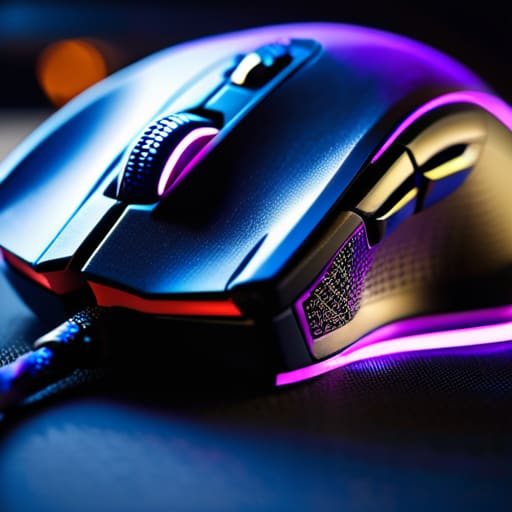
Before you start grinding through practice rounds, we need to talk about your hardware setup. I remember when I first started tinkering with old rigs back in Vermont, I thought a faster mouse just meant a better player. I was wrong! Understanding gaming mouse DPI explained is actually about finding that sweet spot between speed and precision. DPI (Dots Per Inch) is essentially how sensitive your sensor is to movement, but it’s only one piece of the puzzle. If your DPI is too high, you’ll find yourself overshooting targets like a kid trying to steer a buggy go-kart.
The real magic happens when you pair your DPI with the right in-game settings to facilitate mouse sensitivity settings optimization. You want a configuration that allows for both snappy flick shots vs tracking aim stability. If you’re constantly correcting your aim mid-fight, your sensitivity is likely fighting against your natural hand movements. Once you find a setting that feels consistent, stop tweaking it! You need to give your brain time to build that vital muscle memory for FPS games so that your hand knows exactly where the crosshair is without you even thinking about it.
Building Muscle Memory for Fps Games Through Targeted Practice
Think of building muscle memory for FPS games like those late nights I spent in Vermont, trying to solder tiny components on a circuit board without burning my fingers. It’s all about that rhythmic, subconscious connection between your brain and your hand. You can’t just jump into a high-stakes ranked match and expect to hit every headshot; you have to train the “autopilot” in your nervous system. I always tell my students that consistency beats intensity every single time. It’s better to spend fifteen minutes every day doing focused drills than to pull a five-hour marathon once a week and wonder why your aim feels shaky.
To really see progress, you should dive into some dedicated aim trainer software recommendations to isolate specific movements. This is where you really start to distinguish between flick shots vs tracking aim. While flicking is that sudden, explosive movement to snap onto a target, tracking is that smooth, continuous glide required to keep your crosshair glued to a moving enemy. Mastering both requires a bit of that “tinkerer’s patience”—slowly refining your micro-adjustments until your hand just knows exactly where to go.
Beyond the Mouse: Fine-Tuning Your Setup and Strategy
- Optimize Your Posture and Ergonomics: Just like how I spent hours hunched over a bulky CRT monitor back in the day, poor posture can wreck your aim. Make sure your chair height and desk position allow your arm to move naturally; if you’re fighting your own body, you’re fighting a losing battle against your crosshair.
- Master the Art of Crosshair Placement: Stop looking at the floor! Think of your crosshair like a flashlight in a dark room—you want it always pointed exactly where an enemy is likely to appear. Keeping it at head height while traversing a map reduces the distance you have to “flick,” making your reactions feel almost instantaneous.
- Learn to Manage Your Recoil Patterns: Every gun in a shooter has its own “personality,” much like the different jump physics in my favorite pixel art platformers. Spend some time in a practice range just firing at a wall without moving your mouse; once you visualize that spray pattern, you can learn to pull in the opposite direction to keep your shots laser-straight.
- Prioritize Movement and Counter-Strafing: Aiming isn’t just about your hands; it’s about your feet. In many tactical shooters, you can’t hit anything if you’re sliding around like you’re on ice. Practice “counter-strafing”—tapping the opposite direction key to come to an instant halt—so your character is perfectly steady the moment you click.
- Don’t Ignore Your Mental Game and Fatigue: I’ve learned the hard way that you can’t out-aim a tired brain. If you’re feeling frustrated or your eyes are glazing over, step away from the rig. Taking a break to grab some water or tinker with a different hobby is often more effective for your skill level than grinding through a losing streak.
Leveling Up Your Game
At the end of the day, mastering your aim isn’t about finding some secret, magical setting that instantly turns you into a pro. It’s about the synergy between your hardware and your habits. We’ve talked about dialing in that perfect DPI and sensitivity so your mouse feels like an extension of your hand, and we’ve explored how consistent, targeted practice builds the muscle memory necessary to react in a split second. Just like when I was a kid in Vermont, trying to get my first custom-built rig to run smoothly, it takes a bit of trial, error, and a whole lot of hands-on tinkering to get everything synchronized.
Don’t get discouraged if your crosshair feels a little shaky or if you miss those crucial shots during a high-stakes match. Even the best players in the world started exactly where you are right now. Think of every missed shot not as a failure, but as a data point—a little bit of feedback telling you where to adjust. Keep that sense of curiosity alive, stay patient with your progress, and remember that the real joy comes from the journey of improvement. Now, get back out there, keep practicing, and most importantly, have fun with the grind!
Now, if you’re feeling like you’re hitting a wall with your progress, don’t just grind in isolation—sometimes you need a fresh perspective from people who have actually been in the trenches. I’ve found that jumping into a lively Florida chat community can be a total game-changer for catching those subtle mistakes you might be overlooking. It’s a lot like when I used to swap tips on old IRC channels back in the day; having a group of folks to bounce ideas off of makes the whole learning process feel less like a chore and more like a shared adventure.