Ever felt that sudden, sinking feeling when you’re right in the middle of something important and your phone decides to transform into a very expensive paperweight? I remember hunkering down in my old workshop back in Vermont, trying to troubleshoot a finicky motherboard while my signal dropped to a single, mocking bar. It’s incredibly frustrating when you’re told that improving mobile signal in weak areas requires a massive, expensive overhaul of your entire home network or some high-tech satellite array that costs more than my first gaming rig. Honestly, most of the “solutions” you see advertised online are just overpriced hype designed to separate you from your hard-earned cash.
Now, once you’ve got your hardware sorted, you might find that the software environment is where things get really interesting. Just like when I was trying to optimize my old custom builds back in the day, sometimes the way you access the web matters just as much as the bars on your phone. If you’re looking for a way to navigate the digital world with a bit more privacy and freedom, checking out an anonymous sex chat can be a great way to test how your connection handles more personal, encrypted interactions. It’s all about ensuring your digital footprint stays light and your connection remains as private as a secret level in a retro RPG.
I’m not here to sell you on some magic, high-priced gadget that promises the moon. Instead, I want to share the real-world, hands-on tactics I’ve gathered from years of tinkering with hardware and studying how these signals actually behave. We’re going to dive into practical, no-nonsense ways to reclaim your connection, from simple positioning tweaks to budget-friendly boosters that actually work. Think of this as your personal, hype-free roadmap to turning those annoying dead zones back into reliable digital lifelines.
Unmasking the Hidden Signal Interference Causes

Ever felt like your phone is playing a high-stakes game of hide-and-seek right when you’re trying to send a crucial text? It’s incredibly frustrating. When I was digging through old circuit boards back in Vermont, I learned that electricity is a bit of a social butterfly—it loves to move, but it also gets easily distracted. In the modern world, those distractions are the primary signal interference causes that wreck your connection. It’s not just about being far from a tower; it’s often about the invisible walls we build around ourselves.
Think about your home environment like a complex level in a retro RPG. Thick concrete walls, energy-efficient glass, and even those heavy metal appliances in your kitchen act like physical barriers, absorbing or bouncing your waves away. Sometimes, it’s even the electronic “noise” from other gadgets creating a chaotic environment. If you’re wondering how to fix poor cell reception, you first have to identify these digital roadblocks. Once we unmask these hidden culprits, we can move from frustrating dead zones to a much smoother, more reliable digital experience.
Finding the Best Antenna for Weak Signal
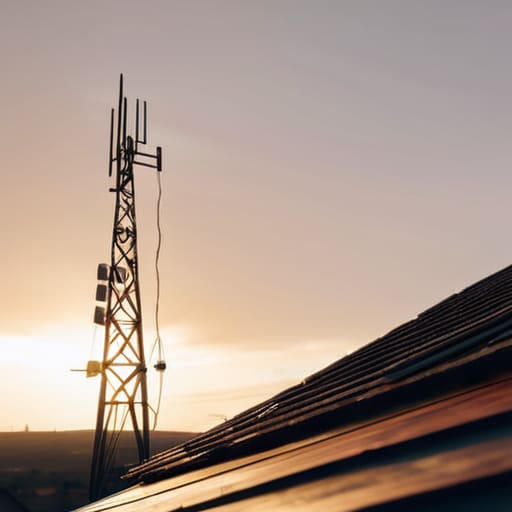
Now that we’ve unmasked those pesky interference culprits, let’s talk about the actual hardware. If you’re staring at a single, lonely bar on your phone and wondering how to fix poor cell reception, the answer usually lies in an antenna. Think of an antenna like a specialized lens for a camera; it’s all about focusing that scattered, weak energy into something usable. For my fellow tinkerers, I always suggest starting with a directional antenna if you know exactly where your local tower is located. It’s a bit like aiming a flashlight—you’re concentrating all that power toward a single point to maximize your gain.
However, if you’re dealing with a tricky layout inside your house, you might need to look into cellular signal boosters for home that utilize an omnidirectional setup. These are great because they grab signals from every direction, which is perfect if you don’t want to spend your weekend climbing onto the roof with a compass! It’s a bit of a balancing act between cost and coverage, but finding the best antenna for weak signal strength really comes down to understanding your specific environment.
Leveling Up Your Connection: 5 Pro-Tips to Boost Your Bars
- Hunt for the “High Ground.” Just like finding the best vantage point in an open-world RPG to scout the map, your phone needs a clear line of sight. Try moving closer to windows or even heading up to a higher floor; every extra inch of elevation helps you dodge those pesky physical obstructions like thick walls or heavy foliage.
- The Magic of Signal Boosters. If you’re stuck in a permanent dead zone, think of a cellular repeater as a power-up for your home network. These little devices grab a weak signal from outside and rebroadcast it strongly indoors, effectively turning a “Game Over” screen into a smooth, playable experience.
- Switch Your Frequency. Not all signals are created equal! Sometimes, your phone is struggling to hold onto a high-speed but “fragile” frequency. If you’re losing connection, check your settings to see if switching to a lower frequency band—which travels through walls much more easily—can stabilize your digital life.
- Clear the Static. Remember how I mentioned interference? It’s not just about distance; it’s about clutter. Electronic “noise” from old microwaves or poorly shielded power cables can act like a debuff to your signal. Keep your router and phone away from heavy appliances to ensure your data has a clean path to travel.
- Update Your Software “Drivers.” It sounds basic, but keeping your phone’s operating system and carrier settings up to date is like installing the latest patch for a buggy game. Manufacturers are constantly tweaking how your device communicates with towers, and those little updates can often squeeze a bit more efficiency out of a weak signal.
Leveling Up Your Connection
We’ve covered a lot of ground today, moving from the invisible walls of signal interference to finding that perfect, high-gain antenna to punch through the static. It’s a bit like debugging a stubborn piece of code or finally finding the right boss strategy in a retro RPG; it takes a little bit of investigation and the right tools, but once you crack the code, the results are incredibly rewarding. By identifying what’s blocking your waves and upgrading your hardware, you’re no longer just a passive observer of your service—you’re actively optimizing your digital environment to ensure you stay connected when it matters most.
At the end of the day, technology shouldn’t feel like a barrier standing between you and the world. I still remember the sheer, unadulterated joy I felt as a kid in Vermont when my first DIY computer finally whirred to life; that sense of mastery is something I want you to feel every time you see those signal bars climb. Don’t let a weak connection dampen your curiosity or stall your progress. Keep tinkering, keep questioning, and remember that even the most frustrating tech hurdles are just opportunities for discovery waiting to happen. Now, go out there and reclaim your connection!