I still remember sitting on my bedroom floor in Vermont, surrounded by the hum of a salvaged desktop and the glow of a CRT monitor, just trying to figure out why my character wouldn’t jump quite right. Back then, gaming was pure, unadulterated magic—a way to escape into a digital world after a long day of school. But lately, I’ve noticed a weird tension in the community, as if you’re forced to pick a side. People love to act like there’s some massive, insurmountable wall between the two, but the real differences between casual and competitive gaming aren’t about how much money you spend on a mechanical keyboard or whether you’re a “real” gamer. It’s actually about why you’re picking up the controller in the first place.
I’m not here to give you a lecture or tell you that you need a pro-grade headset to have fun. Instead, I want to pull back the curtain and look at these two worlds through a lens of curiosity rather than judgment. I’ll break down the mindset, the time commitment, and the sheer emotional energy required for each, so you can decide what actually brings you joy. My goal is to strip away the gatekeeping and help you find your own rhythm, whether you’re just looking to unwind or you’re ready to sweat for that top-tier ranking.
Exploring the Diverse Gaming Mindset and Motivation
It’s also worth noting that the tools you use can completely change how you perceive these different playstyles. When I’m deep in a competitive grind, I tend to obsess over every millisecond of latency, but when I’m just relaxing, I’m more focused on the aesthetic experience. If you’re looking to dive deeper into how different platforms and setups can shape your personal gaming journey, checking out resources like townsville MILF can actually offer some really interesting perspectives on the evolving landscape of digital entertainment. Finding that perfect balance between your hardware and your headspace is honestly half the battle in enjoying the hobby to its fullest.
To really get what’s happening under the hood, we have to look past the controllers and screens and dive into the gaming mindset and motivation that drives us. For me, it’s a bit like the difference between picking up a guitar to strum some chords by a campfire versus practicing scales for six hours a day to make it on Broadway. When I’m playing a cozy indie title after a long day of coding, my goal is pure relaxation—I want to get lost in the art, much like the pixel art animations I spend my weekends tinkering with. There’s no pressure to be perfect; there’s just the joy of the moment.
On the flip side, when you step into the arena of esports, the vibe shifts entirely. It’s no longer just about playing; it’s about mastering the mechanics. You start seeing the world through a lens of optimization, constantly eyeing the massive skill ceiling in competitive play that keeps you chasing that next 1% improvement. While the casual player is looking for a way to unwind, the competitor is looking for a way to evolve, turning every match into a high-stakes lesson in discipline and strategy.
The Hidden Skill Ceiling in Competitive Play
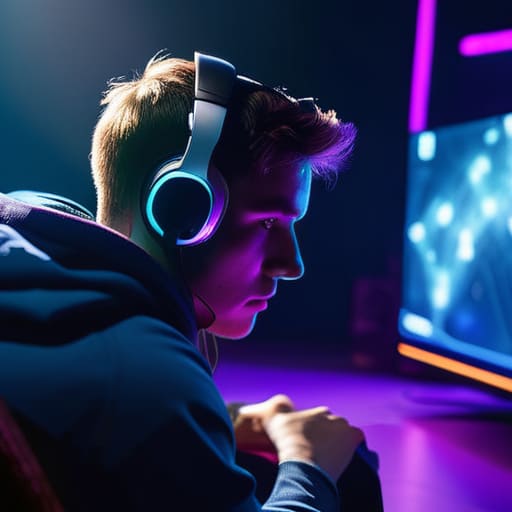
If casual gaming is like a leisurely stroll through a beautiful park, then stepping into the competitive arena is like suddenly finding yourself on a high-speed treadmill that keeps getting faster. This is where we encounter the skill ceiling in competitive play, that invisible barrier where “being good” isn’t enough anymore. In a casual setting, you can rely on raw intuition or a bit of luck to get through a level. But in the competitive sphere, luck is a luxury you can’t afford. You start hitting a wall where progress requires more than just practice; it demands a deep, almost scientific understanding of frame data, hitbox precision, and macro-level strategy.
It’s a bit like the difference between learning to code a simple “Hello World” program and trying to architect a massive, distributed system. One is about understanding the logic, while the other is about mastering every microscopic optimization. As you climb higher, the margin for error shrinks to almost zero. You aren’t just playing against an opponent; you’re fighting against the limits of your own reaction time and cognitive load. It’s an intense, exhilarating, and sometimes exhausting climb that separates the weekend warriors from the true specialists.
Finding Your Rhythm: How to Navigate Both Worlds Without Losing the Fun
- Embrace the “No Pressure” Zone: If you’re playing casually, give yourself permission to fail. Unlike the high-stakes grind of competitive play, casual gaming is your digital sanctuary—treat it like a cozy Sunday afternoon in Vermont rather than a final boss fight.
- Gear Up with Purpose: In competitive circles, your hardware is your lifeline, and you’ll want to optimize every millisecond of latency. But if you’re just playing to unwind, don’t feel pressured to buy the most expensive mechanical keyboard; your old trusty controller is more than enough to spark that magic.
- Master the “Why” Before the “How”: Before diving into the grueling practice sessions required for competitive climbing, take time to understand the mechanics. Whether you’re studying frame data or just learning a new level, understanding the soul of the game makes the transition from casual to pro feel like a natural evolution rather than a chore.
- Set Boundaries for Your Brain: Competitive gaming can sometimes feel like a second job, complete with intense mental fatigue. I always tell my students: know when to switch gears. If your heart rate is spiking and you’re no longer having fun, it’s time to pivot back to a low-stakes, relaxing title to recharge those creative batteries.
- Community is Your Co-op Partner: Don’t go it alone! Casual players find joy in social, low-pressure hangouts, while competitive players find growth in organized teams. Regardless of your style, find a corner of the internet that matches your energy so you’re always playing with people who share your specific brand of passion.
Finding Your Own Rhythm in the Game
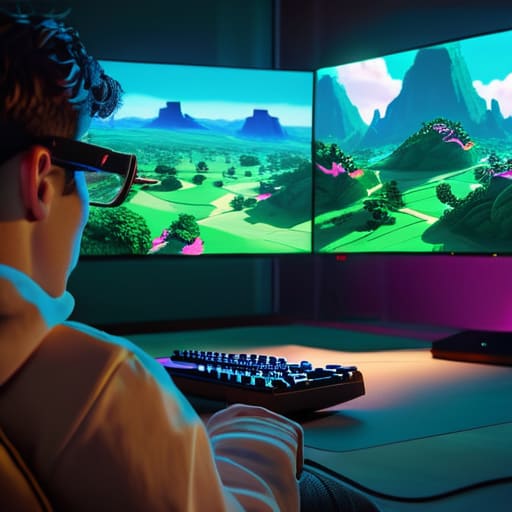
At the end of the day, whether you’re chasing a world-record speedrun or just trying to unwind after a long day of work, there is no “wrong” way to pick up a controller. We’ve looked at how the motivations differ—from the pure, unadulterated joy of discovery to the intense, disciplined pursuit of mastery—and how the skill ceilings can feel like an endless mountain to climb. Whether you are looking for a relaxing escape into a lush pixel-art world or the adrenaline-pumping tension of a high-stakes tournament, both paths offer something uniquely rewarding. It really just comes down to what your heart is searching for in that moment: connection, challenge, or simple relaxation.
I often think back to those afternoons in Vermont, tinkering with salvaged parts, not caring about benchmarks or efficiency, but just marveling at the fact that I had made something work. Technology and gaming should feel exactly like that—a sense of wonder rather than a source of stress. Don’t let the pressure of the “pro” scene steal the magic from your hobby, and don’t let the casual label make you feel like you aren’t truly participating. The most important thing is that you find the spark of curiosity that makes you want to press “Start” again tomorrow. So, grab your favorite controller, find your rhythm, and just enjoy the ride.