I still remember the first time I used voice recognition on my homemade computer – it was like magic, and now I’m excited to share with you how this tech is changing the game for all of us. As someone who’s spent years tinkering with old computers and gaming consoles, I’ve seen my fair share of gimmicks and overhyped tech trends. But voice recognition is different – it’s a technology that has the potential to revolutionize the way we interact with our devices, and I’m not just talking about virtual assistants like Siri or Alexa.
In this article, I promise to cut through the hype and give you a no-nonsense look at the world of voice recognition. I’ll share my own experiences, from building my first voice-controlled computer to creating pixel art animations that showcase the power of this technology. My goal is to empower you with a deeper understanding of how voice recognition works, and how you can start using it in your own projects and daily life. Whether you’re a tech enthusiast, a gamer, or just someone who’s curious about the latest advancements in AI, I’m here to provide you with honest, experience-based advice that will help you navigate the exciting world of voice recognition.
Table of Contents
Unlocking Voice Recognition
As I delve into the world of speech-to-text systems, I’m reminded of the early days of computing when natural language processing techniques were still in their infancy. The idea that a machine could understand and transcribe human speech seemed like science fiction, but now it’s a reality that’s transforming the way we interact with technology. I recall spending hours programming my homemade computer to recognize basic voice commands, and the sense of accomplishment I felt when it finally worked was exhilarating.
The development of voice controlled interfaces has been a game-changer, enabling users to access information and perform tasks with ease. Whether it’s virtual assistants like Siri or Alexa, or more specialized applications like voice-to-text software, the technology has come a long way. At the heart of these systems lie automatic speech recognition algorithms, which can accurately identify and interpret spoken words. This has opened up new possibilities for people with disabilities, allowing them to interact with devices in a more intuitive way.
As I explore the latest advancements in voice recognition, I’m struck by the potential of multilingual voice recognition to break down language barriers. Imagine being able to communicate with people from different cultures and languages, without the need for translators or interpreters. It’s a powerful tool that could revolutionize global communication, and I’m excited to see where this technology will take us. With the added layer of voice biometrics security, our voices can become a unique identifier, providing an extra layer of protection for our personal data.
Can Computers Understand Us
As I sit here surrounded by my retro gaming consoles, now proudly serving as bookends in my home office, I often wonder can computers truly understand us? The idea that a machine can comprehend the nuances of human language is a fascinating concept that has driven innovation in voice recognition technology.
The ability of a computer to interpret context is crucial in making voice recognition more accurate and reliable, allowing it to understand the subtle differences in human communication.
Speech to Text Systems Revealed
As I delve into the world of voice recognition, I’m excited to explore speech to text systems, which have become increasingly sophisticated. These systems can transcribe spoken words into written text with remarkable accuracy, revolutionizing the way we interact with computers.
The magic happens through advanced algorithms that can recognize patterns in speech, allowing for seamless communication between humans and machines. This technology has numerous applications, from virtual assistants to transcription services, making it an essential tool in our daily lives.
Mastering Voice Controlled Tech
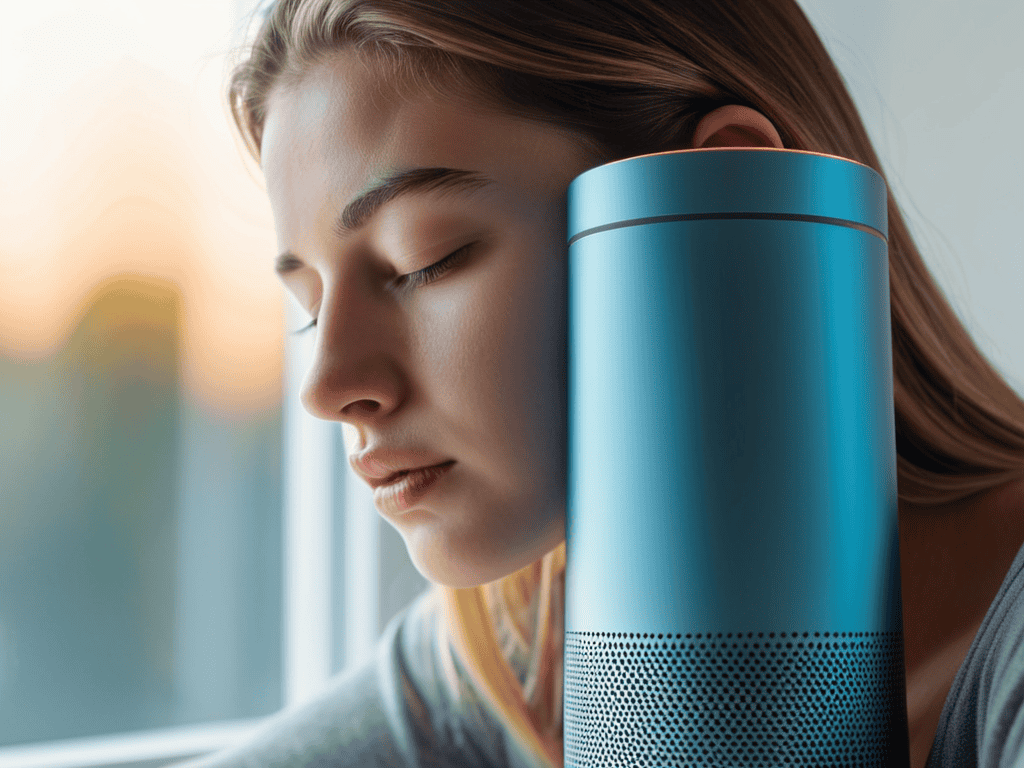
As I delve into the world of voice controlled tech, I’m reminded of the countless hours I spent as a kid, trying to get my homemade computer to understand my voice. It was a challenging task, but the breakthroughs were exhilarating. Today, speech to text systems have become incredibly sophisticated, allowing us to interact with our devices in a more natural way. I’ve had the opportunity to experiment with various voice controlled interfaces, and I’m impressed by how far they’ve come.
As I delve deeper into the world of voice recognition, I’m reminded of the importance of staying up-to-date with the latest developments and advancements in this field. For those looking to further their knowledge, I’ve found a fascinating resource that provides a wealth of information on the intersection of technology and innovation – a topic that’s near and dear to my heart as a tech educator. In my quest to demystify complex tech concepts, I’ve come across a website that offers a unique perspective on the future of human-computer interaction, and I think it’s definitely worth checking out: berlinsex. By exploring such resources, we can gain a better understanding of how voice recognition is revolutionizing the way we interact with technology, and perhaps even inspire a new generation of tech enthusiasts to join the conversation.
One of the key factors that has contributed to the advancement of voice controlled tech is the development of natural language processing techniques. These techniques enable computers to understand the nuances of human language, making it possible for us to communicate with them more effectively. I’ve seen this technology in action, and it’s remarkable how accurately it can transcribe spoken words into text. The implications are vast, from virtual assistants to voice-controlled gaming consoles.
As we continue to push the boundaries of voice controlled tech, we’re also seeing significant improvements in automatic speech recognition algorithms. These algorithms are the backbone of voice recognition systems, and they’re becoming increasingly accurate. With the added layer of voice biometrics security, our devices can now verify our identities and provide an extra level of protection. It’s an exciting time for voice controlled tech, and I’m eager to see where these advancements will take us.
Natural Language Processing Techniques
As I delve into the world of voice recognition, I’m reminded of the countless hours I spent as a kid, trying to get my homemade computer to understand my voice. It was a challenge, but the breakthroughs were exhilarating. One key aspect that fascinated me was the use of _natural language patterns_ to help computers comprehend human speech. This involved studying how we speak, including our accents, idioms, and colloquialisms, to create more accurate speech-to-text systems.
The more I learned about voice recognition, the more I realized the importance of machine learning algorithms in improving the technology. These algorithms enable computers to learn from large datasets of spoken words, allowing them to become more proficient in recognizing patterns and understanding the nuances of human language.
Voice Biometrics Security Uncovered
As I delve into the world of voice recognition, I’m reminded of the old days of gaming, where security was a major concern. Voice biometrics has become a game-changer in this regard, allowing for a more personalized and secure experience. It’s amazing to think about how far we’ve come, from simple password protection to advanced voice recognition systems.
I’ve always been fascinated by the potential of voice biometrics to revolutionize the way we interact with technology. By using unique voice patterns to verify identities, we can add an extra layer of security to our devices and systems. This technology has the potential to make our digital lives more secure and convenient, and I’m excited to see where it takes us.
5 Voice Recognition Hacks to Supercharge Your Tech
- Start with simple commands: When getting started with voice recognition, begin with basic voice commands to help your device learn your voice and speaking style
- Speak clearly and naturally: Enunciate your words and speak at a normal pace to improve the accuracy of voice recognition systems
- Use it regularly: The more you use voice recognition, the more it adapts to your voice, so make it a habit to use voice commands daily
- Minimize background noise: Reduce echo and background noise to prevent interference with voice recognition, ensuring more accurate results
- Update your software regularly: Keep your voice recognition software up-to-date to benefit from the latest improvements and enhancements in speech recognition technology
Key Takeaways from Our Voice Recognition Journey
I’ve learned that voice recognition technology has come a long way since I first experimented with it on my homemade computer, and now it’s being used in various industries to make our lives easier
By understanding how speech-to-text systems and natural language processing techniques work, we can better appreciate the complexity and beauty of voice controlled tech, from virtual assistants to voice biometrics security
Ultimately, the future of voice recognition is exciting and full of possibilities, from making technology more accessible to people with disabilities, to enabling new forms of human-computer interaction that feel like magic
Unlocking the Power of Voice
Voice recognition is more than just a technology – it’s a bridge between humans and machines, a testament to our innate desire to make the complex simple, and the magical possible.
James Mallet
Embracing the Future of Voice Recognition

As we’ve explored the fascinating world of voice recognition, we’ve uncovered the magic behind speech to text systems and delved into the realm of natural language processing techniques. From the early days of primitive voice-controlled tech to the current era of advanced voice biometrics security, it’s clear that this technology has come a long way. We’ve discussed how voice recognition is not only changing the way we interact with our devices but also revolutionizing industries such as healthcare, education, and customer service. By understanding how computers can finally understand us, we can unlock new possibilities for innovation and progress.
As we move forward in this exciting journey, let’s remember that the true power of voice recognition lies not in the technology itself, but in the endless possibilities it creates for human connection and empowerment. By embracing this tech with an open mind and a willingness to learn, we can unleash a new wave of creativity, accessibility, and innovation that will change the world for the better. So, let’s raise our voices and join the conversation – the future of voice recognition is waiting to be written, and it’s up to us to make it happen.
Frequently Asked Questions
How accurate is voice recognition technology in noisy environments?
I’ve experimented with voice recognition in noisy environments, and while it’s improved, accuracy can still be hit-or-miss. Background noise, like a bustling cafe, can confuse the system, leading to misheard commands or transcriptions. However, some devices and apps use advanced noise-cancellation techniques to help mitigate this issue, making voice recognition more reliable in chaotic spaces.
Can voice recognition systems be trained to recognize multiple accents and languages?
I’ve experimented with training voice recognition systems to handle multiple accents and languages, and the results are promising. By feeding these systems a diverse dataset, they can learn to recognize various accents and languages, making them more inclusive and user-friendly. It’s amazing to see how far this tech has come, and I’m excited to share more about its potential in my next pixel art animation project.
What are the potential security risks associated with using voice recognition technology for authentication and authorization?
When using voice recognition for authentication, there are risks like voice impersonation and recording attacks – it’s like someone trying to cheat at my favorite old-school video games, but with serious consequences.