Did you know the wearable tech market could reach over $100 billion by 2025? This huge growth is because of new biometric tech. It’s changing how we track health and wellness. The future of wearable tech is exciting. We’re about to see smart rings and better health tracking. Events like CES 2025 show these advancements. They make wearable health tech more common and easier to use. This article looks at trends and new tech that will change how we keep up with our health.
Key Takeaways
- The wearable tech market is expected to exceed $100 billion by 2025.
- Smart rings are becoming increasingly popular due to their compact design.
- Advancements in cuffless blood pressure monitoring are on the horizon.
- The integration of AI will enhance personal health insights.
- Wearable health technology is becoming more accessible to consumers.
- We can expect expanded health tracking capabilities in the near future.
- The demand for personalized health solutions is driving innovation.
The Rise of Smart Rings
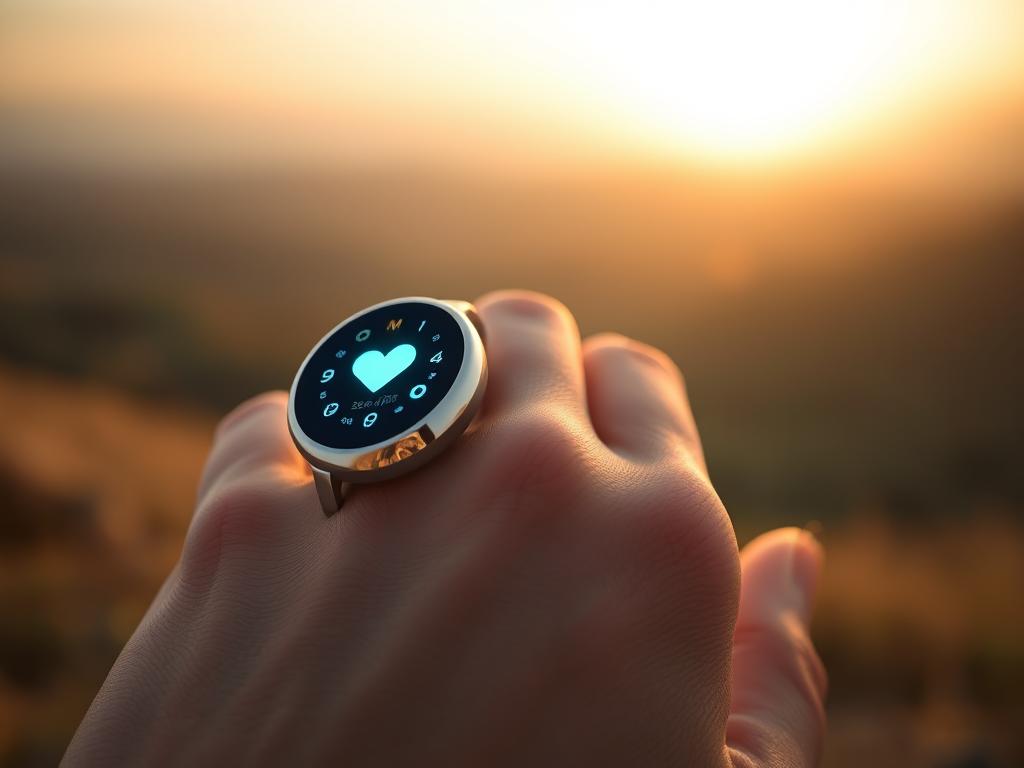
Wearable devices are changing fast, and smart rings lead the change. They stand out for being compact and stylish. This makes them a cool choice compared to smartwatches. They fit into our lives without being obvious.
Ubiquity and Accessibility
Smart rings are becoming easier to find and buy. They’re getting cheaper, reaching more people. Their design is discreet, making health tracking simple. Yet, teaching people how they work remains a hurdle. But, their popularity is growing.
Health Monitoring Capabilities
Smart rings track many health details. They keep an eye on your heart rate, sleep, and even blood pressure. It’s amazing they can check hydration and glucose levels too. All these features are in one stylish ring, which is great for health management.
The Future of Wearable Tech
Wearable technology is changing fast, shaping the future of gadgets in big ways. One key area is cuffless blood pressure monitoring. This new method could change how we look after our heart health. Wearable devices are now using high-tech sensors and smart algorithms for better health tracking.
Advancements in Cuffless Blood Pressure Monitoring
Valencell has made a big leap with its new cuffless blood pressure monitor. It uses special sensors to see how blood flows, letting you check your pressure without a tight cuff. This quick and easy way to monitor blood pressure is a big deal for those who need user-friendly health gadgets. Valencell is working to get FDA approval to make it available for everyone.
Extended Monitoring Beyond Current Vitals
Looking ahead, wearable tech will do more than just check blood pressure. Devices like Sempulse’s Halo track your pulse and oxygen levels all day. Meanwhile, Corsano Health’s CardioWatch 287-2 keeps an eye on many health markers. Even though they can’t track everything yet, interest in tracking overall health is growing. This makes wearable devices vital for people and doctors who want to keep ahead of health issues.
AI and Predictive Analytics in Wearable Tech
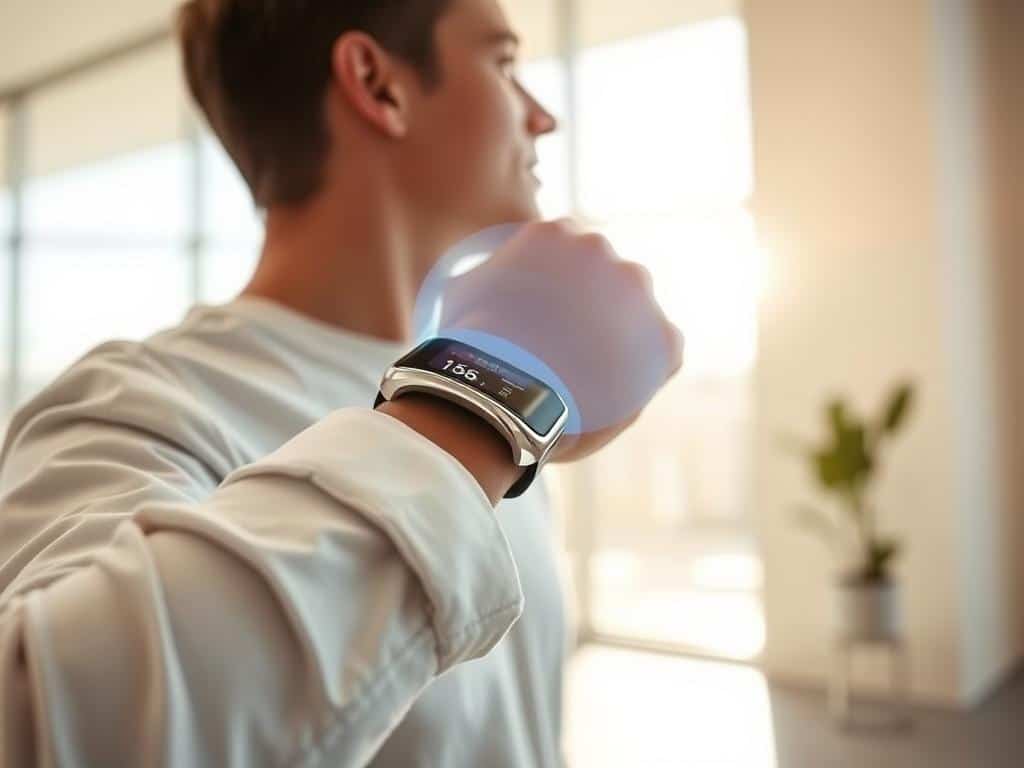
AI in wearable tech is changing how we handle health. By 2025, I see huge potential in predictive analytics to change our health monitoring ways. These advances are turning wearable devices into smart health tools. They don’t just track fitness but actively help in managing health and wellness.
Proactive Health Management
Thanks to AI and predictive analytics, my wearables analyze my daily habits, sleep, and vital signs. They spot early signs of health issues, warning me before things get worse. For example, they can tell me if I’m starting to get dehydrated or if my heart rhythm is off. This helps catch issues early, cutting down on chronic disease risks.
Personalized Insights for Users
AI is making personalized health insights a reality in wearable tech. Every time I use my device, it learns more about my health. The insights are customized for me and change as my life does. As predictive analytics gets better, I’m looking forward to even more useful health tips.
Conclusion
Wearable technology is about to change how we track our health in big ways. Devices like smart rings and new blood pressure monitors show where things are headed. They make it easier for us to understand and manage our health.
Wearables are becoming more stylish and easy to use. Putting a focus on design and health features helps more people want to use them. These devices bring together smart health tracking and AI to improve how we live.
By 2025, new tech will greatly impact our health awareness and choices. As I look at the future of wearable tech, I’m thrilled about its potential. It will enhance our lives and push us into a new era of digital health information.