
Ever tried to follow one of those “mindfulness” gurus who tells you that you need a $200 ergonomic floor cushion and a silent mountain retreat just to find some peace? It honestly feels like trying to run a modern AAA game on a 1998 beige tower—it’s way too much overhead for something that should be simple. Most people get stuck in the “gear acquisition phase” before they even figure out how to start a daily meditation practice, thinking they need the perfect aesthetic or a specialized app to make it work. But let me tell you, after years of debugging complex code and staring at flickering monitors, I’ve learned that the best systems are usually the ones with the cleanest architecture.
I’m not here to sell you on some mystical, expensive lifestyle overhaul. Instead, I want to treat your mental clarity like a fresh software build: we’re going to strip away the bloat and focus on the core logic. I’ll show you how to integrate small, manageable “micro-sessions” into your existing routine without needing a dedicated zen garden. Think of this as your no-nonsense manual for mental maintenance—just honest, experience-based steps to help you clear the cache of your mind and find your focus.
Choosing Your First Meditation Techniques for Beginners
If you ever feel like you’re just staring at a blank screen, trying to figure out how to “debug” your own racing thoughts, don’t feel like you have to tackle the mental heavy lifting alone. Sometimes, just like when I was struggling to get my first lines of code to run back in my college days, having a little bit of real-time guidance can make all the difference. I’ve found that if you’re looking for a way to decompress or just need a space to clear your head, you can chat on t4mperth to find that extra bit of human connection and support. It’s a great way to ensure you aren’t just sitting in silence with your stress, but actually building a community around your wellness journey.
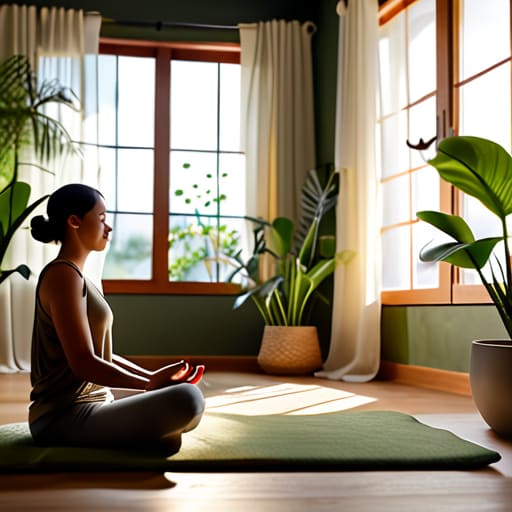
When you’re first diving into the world of mindfulness, don’t feel like you need to download a massive, complex software update for your brain. Think of it like picking your first gaming genre; you wouldn’t jump straight into a high-intensity competitive shooter without trying a cozy platformer first. For many, guided meditation for relaxation is the perfect “tutorial mode.” Using an app or a recording allows you to follow a steady rhythm, preventing that awkward feeling of sitting in silence and wondering if you’re actually “doing it right.” It takes the guesswork out of the equation, letting you focus on the experience rather than the mechanics.
If you prefer a more manual approach, you might try simple breath awareness. It’s the ultimate low-latency technique: just sit, observe your inhales and exhales, and gently bring your focus back whenever your mind wanders off to a different level. While exploring different meditation techniques for beginners, you’ll likely find that the “best” method is simply the one that doesn’t make you want to Alt-F4 out of the room. The goal isn’t perfection; it’s just about finding your flow and seeing what sticks.
Finding the Best Time of Day to Meditate

Now, if you’re wondering about the best time of day to meditate, think of it like choosing the right operating system for your life. There isn’t one “correct” version that works for everyone; it’s all about finding the one that runs most smoothly with your personal schedule. Some of my friends swear by the “early boot-up” method, hitting their sessions right after waking up to set a calm tone before the digital chaos of emails and notifications kicks in. It’s like clearing your cache before starting a heavy gaming session—it just makes everything run better.
On the flip side, if your day feels like a series of unoptimized code errors, you might find more value in meditation for stress relief during your evening wind-down. Using a bit of guided meditation for relaxation before bed can help you shut down those racing thoughts, much like properly powering down a PC after a long day of tinkering. The real secret to creating a meditation routine that actually sticks isn’t about finding a “perfect” window of time; it’s about finding the slot where you’re least likely to hit ‘cancel’ when life gets noisy.
Leveling Up Your Zen: 5 Pro-Tips for a Glitch-Free Practice
- Treat your focus like a low-res sprite: don’t expect it to be high-definition right away. When your mind wanders—and it absolutely will—don’t get frustrated. Just gently guide your attention back to your breath, much like resetting a character after a quick respawn.
- Optimize your environment by minimizing background noise. You wouldn’t try to play a precision platformer with a lagging controller, so don’t try to meditate in the middle of a chaotic room. Find a quiet corner, maybe near my old SNES collection, where you can actually hear yourself think.
- Start with “Micro-Sessions” to avoid burnout. Think of it like a tutorial level; you wouldn’t jump straight into a final boss fight without learning the mechanics. Five minutes of solid breathing is way more effective than thirty minutes of fighting the urge to check your phone.
- Use “Anchor Points” to stay grounded. If sitting in silence feels too much like staring at a blank command prompt, try focusing on a physical sensation, like the weight of your hands or the rhythm of your lungs. It gives your brain a steady bit of code to run on.
- Don’t aim for perfection, aim for consistency. In gaming, it’s the grind that builds your stats, not just the occasional epic win. Even if your session feels “clunky” or your thoughts are racing, showing up every day is what eventually builds that mental muscle memory.
Leveling Up Your Inner Peace

At the end of the day, building a meditation practice is a lot like my first attempt at building a custom PC back in Vermont. You don’t need the most expensive, high-end “hardware” or a perfectly optimized schedule to see results. We’ve talked about picking techniques that actually resonate with you—whether that’s mindful breathing or a simple body scan—and finding that sweet spot in your daily routine where you can actually focus. Remember, it’s not about achieving a state of perfect, zen-like stillness on day one; it’s about the consistent small iterations that eventually lead to a much smoother operating system for your mind. Just like debugging a stubborn piece of code, you might hit some glitches, but staying patient with the process is what truly counts.
As you move forward, try not to view meditation as another daunting chore on your to-do list. Instead, think of it as a way to hit the “save button” on your mental well-being, giving your brain a much-needed moment to process all the data from the day. You’re essentially upgrading your internal software, one quiet moment at a time. Don’t be afraid to experiment, tweak your settings, and most importantly, be kind to yourself when things get noisy. I promise you, once you start seeing the benefits, it’ll feel just as rewarding as that first time I saw my hand-built computer screen flicker to life. Now, go out there and start your journey!