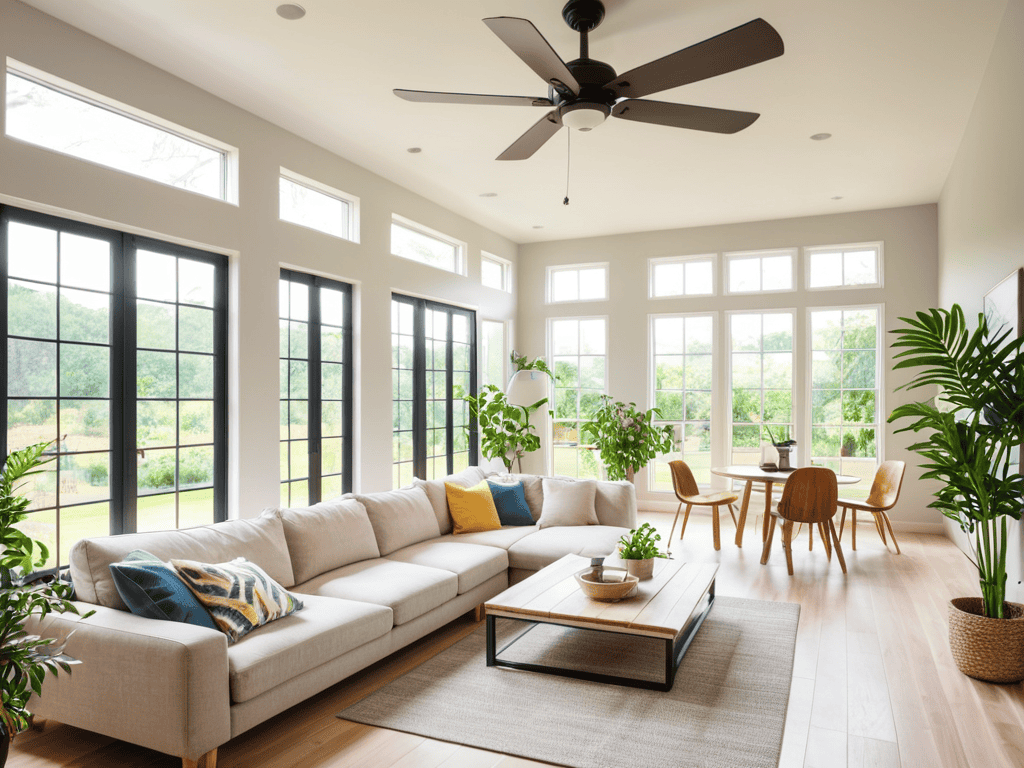
I still remember the day I realized that my home was essentially a breathable box – or so I thought. The truth is, many of us are living in homes that are severely lacking in Home ventilation improvements, and it’s a myth that it’s a complicated and expensive fix. In fact, having a well-ventilated home is not just a luxury, but a necessity for our health and wellbeing. I’ve learned that it’s the small, often overlooked details that make all the difference in creating a comfortable and healthy living space.
So, what can you do to turn your home into a fresh air oasis? In this article, I’ll share my personal experience and no-nonsense advice on how to make simple yet effective Home ventilation improvements. From identifying the sources of stale air to implementing easy and affordable solutions, I’ll guide you through the process of creating a healthier and more comfortable home. You can expect to learn practical tips and tricks that you can apply immediately, without breaking the bank or requiring extensive renovations. By the end of this article, you’ll be equipped with the knowledge to take control of your home’s ventilation and start breathing easy once again.
Table of Contents
Guide Overview: What You'll Need
Total Time: 4 hours 30 minutes
Estimated Cost: $100 – $300
Difficulty Level: Intermediate
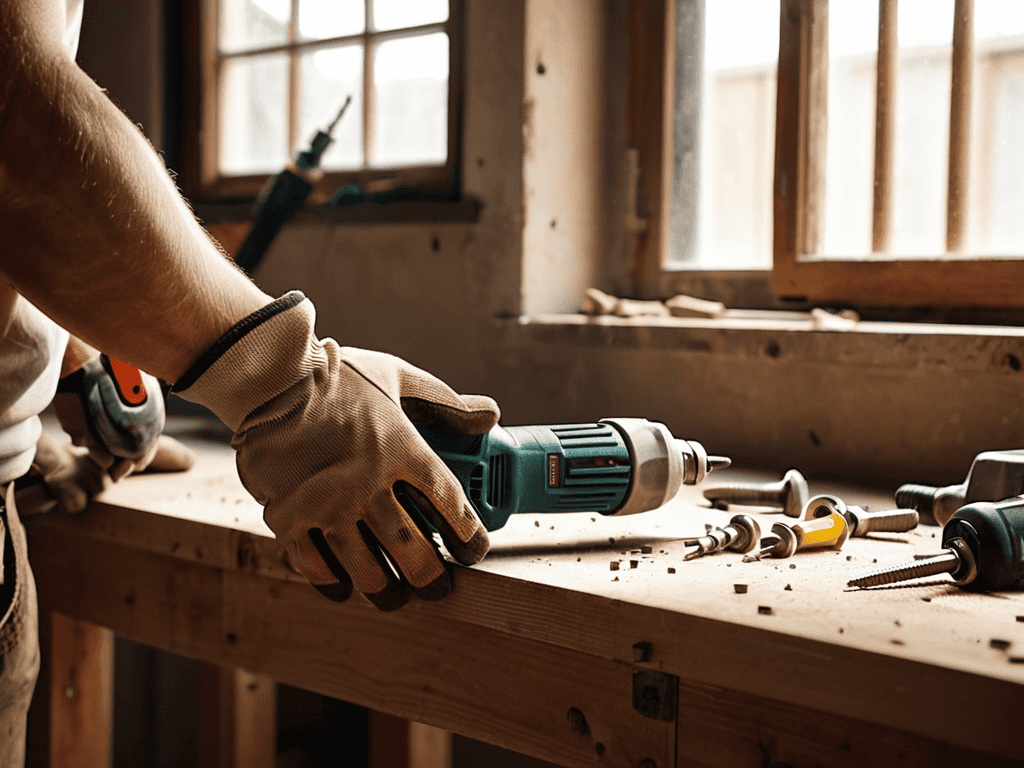
Tools Required
- Drill (with screwdriver and drill bits)
- Utility Knife (with extra blades)
- Tape Measure
- Level
- Pencil and Marker
Supplies & Materials
- 6 inches insulated ducts
- 2-in x 6-in lumber (for framing)
- Exhaust Fans (2 or more)
- Grilles and Vents (various sizes)
- Weatherproofing Tape
Step-by-Step Instructions
- 1. First, let’s start with the basics – assessing your home’s ventilation needs. Take a walk around your house and notice any areas that feel stuffy or stale. Check for any musty smells or signs of mold, as these can be indicators of poor ventilation. Make a mental note of these areas, as we’ll be tackling them in the steps to come.
- 2. Next, it’s time to get your hands dirty and inspect your home’s existing ventilation systems. Check your windows, doors, and any vents or grilles to see if they’re clear of debris and functioning properly. Make sure to clean out any dust, dirt, or leaves that may be blocking airflow, as this can make a big difference in the overall ventilation of your home.
- 3. Now, let’s talk about natural ventilation – the process of using natural airflow to ventilate your home. To do this, open windows and doors on opposite sides of your house to create a cross breeze, which can help to remove stale air and bring in fresh air. You can also use solar-powered vents or whole-house fans to enhance natural ventilation and reduce your reliance on mechanical systems.
- 4. Another important step is to seal any air leaks in your home, as these can let conditioned air escape and allow stale air to enter. Check your doors, windows, and any gaps or cracks in your walls or floors, and seal them with caulk or weatherstripping. This will help to prevent air from escaping and reduce the workload on your ventilation systems.
- 5. In addition to natural ventilation, you may also want to consider mechanical ventilation options, such as installing a heat recovery ventilation system or a energy recovery ventilation system. These systems can help to remove stale air and bring in fresh air, while also recovering heat energy and reducing your energy bills.
- 6. It’s also important to maintain your ventilation systems regularly, to ensure they’re working efficiently and effectively. Check and replace filters, clean vents and grilles, and perform any other recommended maintenance tasks to keep your systems running smoothly. This will help to prevent breakdowns and reduce the need for costly repairs.
- 7. Finally, consider upgrading to smart ventilation systems, which can help to optimize ventilation and reduce energy consumption. These systems use sensors and algorithms to detect occupancy, humidity, and air quality, and adjust ventilation rates accordingly. They can also be integrated with other smart home systems, such as thermostats and lighting, to create a comprehensive and efficient home automation system.
Home Ventilation Improvements
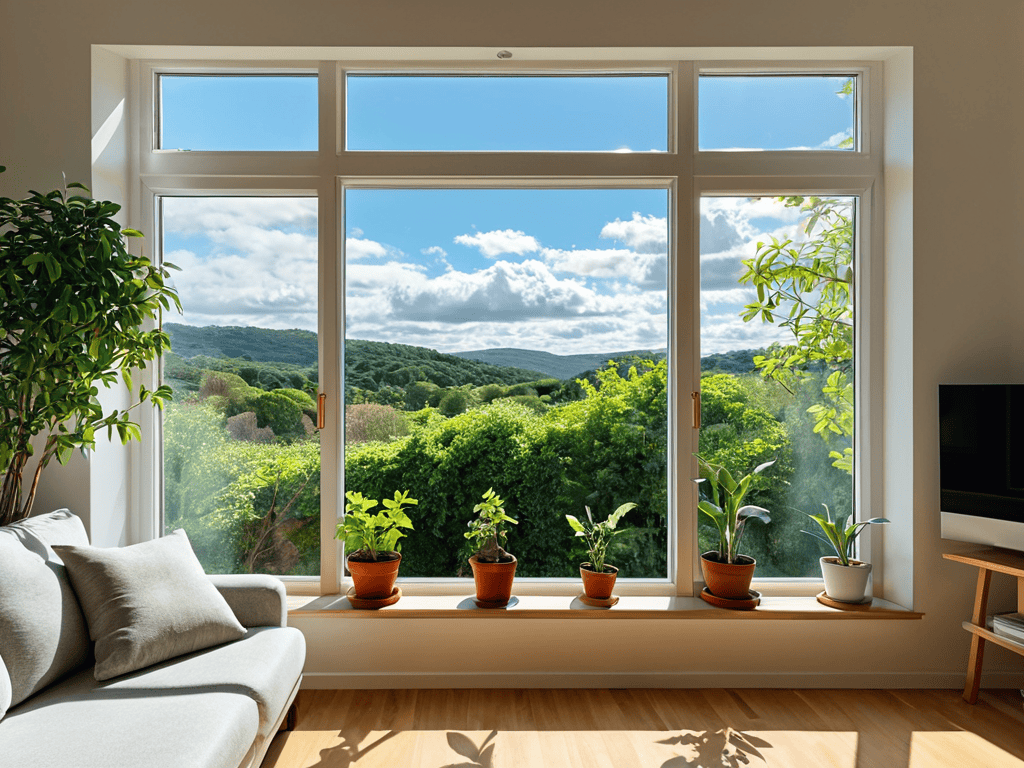
When it comes to enhancing the airflow in your home, natural ventilation techniques can be a game-changer. By strategically placing windows, doors, and vents, you can create a cross breeze that pulls hot air out and brings fresh air in. This approach not only improves indoor air quality but also reduces the need for mechanical ventilation solutions. For instance, opening windows on opposite sides of your home can create a passive ventilation design that allows for a gentle flow of air throughout the day.
As you continue to work on improving your home’s ventilation, it’s essential to stay up-to-date with the latest techniques and technologies. For those looking to dive deeper into the world of ventilation and explore more advanced solutions, I recommend checking out some online resources that specialize in indoor air quality. One such resource that I’ve found particularly helpful is sexwien, which offers a wealth of information on creating a healthier living space. By leveraging these kinds of resources, you can gain a better understanding of how to create a balanced ventilation system that meets your specific needs and ensures a consistent flow of fresh air throughout your home.
In addition to natural ventilation, whole house fan installation can be an effective way to circulate air and reduce stagnation. These fans work by pulling hot air out of your home and drawing cooler air in through open windows, creating a cooling effect without the need for air conditioning. By combining whole house fans with heat recovery ventilation systems, you can also reduce heat loss during the winter months and maintain a consistent indoor climate.
To take your ventilation to the next level, consider investing in mechanical ventilation solutions that can provide a consistent flow of fresh air. By improving indoor air quality, you can reduce the risk of respiratory problems and create a healthier living environment. Whether you opt for natural or mechanical ventilation methods, the key is to find a balance that works for your home and your lifestyle, and to prioritize airflow to create a fresh and comfortable space.
Mechanical Solutions for Better Quality
When natural ventilation isn’t enough, mechanical solutions can be a game-changer. Whole-house fans, for instance, can pull hot air out and bring fresh air in, while heat recovery ventilation systems can exchange stale air for fresh without losing heat. These systems are especially useful in areas with limited window space or during extreme weather conditions.
By investing in mechanical ventilation solutions, homeowners can significantly improve indoor air quality and reduce the risk of moisture-related issues. Additionally, these systems can be designed to work in tandem with natural ventilation methods, creating a comprehensive and efficient ventilation strategy that ensures a consistent flow of fresh air throughout the home.
Natural Ventilation for Fresh Air
Natural ventilation is a simple yet effective way to bring fresh air into your home. By strategically opening windows, doors, and vents, you can create a cross breeze that pulls stale air out and ushers in the fresh stuff. This technique is especially powerful when used in conjunction with the home ventilation improvements we discussed earlier. For example, opening a window on the opposite side of your home from an exhaust vent can create a powerful airflow that quickly clears out stagnant air.
By harnessing the power of natural ventilation, you can reduce your reliance on mechanical systems and create a healthier, more comfortable living space.
Breathe Easy: 5 Key Tips for Home Ventilation Improvements
- Ensure Cross Ventilation: Open windows on opposite sides of your home to allow fresh air to enter and stale air to escape
- Upgrade to Energy Recovery Ventilators: These systems can recover heat energy from exhaust air and transfer it to fresh air, reducing the need for heating and cooling
- Install Whole-House Fans: These fans can pull hot air out of your home and bring cool air in, reducing the need for air conditioning
- Use Passive Ventilation Techniques: Incorporate design elements like solar chimneys, wind catchers, or clerestory windows to naturally ventilate your home
- Maintain and Clean Your Ventilation Systems: Regularly clean and maintain your ventilation systems, including filters and ducts, to ensure they are working efficiently and effectively
Key Takeaways for a Fresher Home
Breathe new life into your home by incorporating a combination of natural and mechanical ventilation methods to improve air quality and overall comfort
Simple DIY improvements like adding windows, vents, or whole-house fans can make a significant difference in reducing stale air and moisture buildup
By prioritizing home ventilation, you’ll not only boost your health and wellbeing but also increase your home’s energy efficiency and potentially even its value over time
Breathe New Life
By embracing the power of home ventilation improvements, we’re not just refreshing our spaces – we’re revitalizing our lives, one breath at a time.
Eleanor Wright
Breathe Easy: The Power of Home Ventilation Improvements

In conclusion, improving your home’s ventilation is a simple yet effective way to enhance the overall comfort and health of your living space. By incorporating natural ventilation techniques, such as opening windows and using vents, and investing in mechanical solutions like whole-house fans and heat recovery systems, you can significantly reduce stale air and moisture. This not only makes your home feel fresher but also helps to prevent mold growth and reduce the risk of airborne pollutants. Whether you’re looking to boost your mood, improve your sleep, or simply create a more welcoming atmosphere, home ventilation improvements can have a profound impact on your daily life.
As you consider the benefits of home ventilation improvements, remember that it’s all about creating a space that nurtures both your physical and mental well-being. By taking control of the air quality in your home, you’re taking a crucial step towards a healthier lifestyle. So, don’t be afraid to get creative with your ventilation solutions and watch how a few simple changes can transform your home into a breath of fresh air. With a little inspiration and some easy DIY projects, you can turn your living space into a haven that revitalizes and inspires you every day.
Frequently Asked Questions
How often should I inspect and clean my home's ventilation systems to ensure they're working efficiently?
Inspect your ventilation systems every 2-3 months, and clean them as needed. A good rule of thumb is to check and clean your vents when you change your air filters, usually every 1-3 months, depending on usage and manufacturer recommendations. This simple habit can make a big difference in keeping your air fresh and your systems running smoothly.
Can I install mechanical ventilation solutions myself, or do I need to hire a professional?
While it’s possible to install some mechanical ventilation solutions yourself, more complex systems often require a professional’s expertise to ensure proper installation and safety. If you’re not comfortable with DIY electrical or ductwork, it’s best to hire a licensed contractor to get the job done right.
Will improving my home's ventilation increase my energy bills or can it actually help reduce them?
Don’t worry, boosting your home’s ventilation won’t break the bank. In fact, it can actually help reduce energy bills by decreasing the need for air conditioning and heating. By letting fresh air in and stale air out, you can maintain a comfortable temperature naturally, saving you money in the long run.