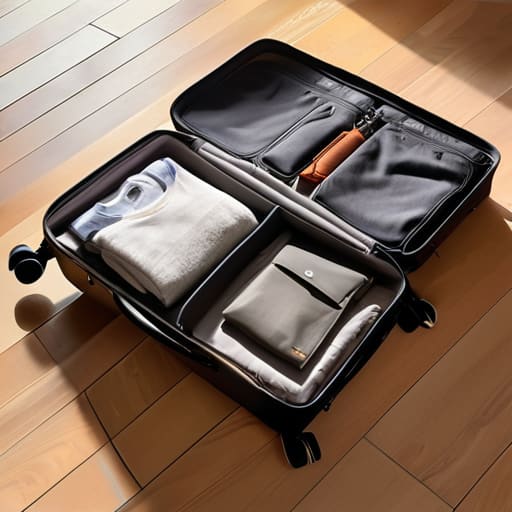
Ever stood at a crowded airport gate, staring at a mountain of overpriced, “smart” luggage, wondering why everyone makes this feel like a high-stakes boss battle? I’ve seen it a thousand times: people following these absurdly complex tutorials that involve buying five different specialized gadgets just to figure out how to pack a carry on bag. It’s like trying to run a modern AAA game on a 1998 beige tower; you’re overcomplicating the hardware when all you really need is a solid, efficient architecture. Honestly, the “expert” advice out there is often just marketing fluff designed to sell you more gear you don’t actually need.
I’m not here to sell you a lifestyle or a specific brand of compression cubes. Instead, I want to treat your luggage like a well-optimized piece of code—stripping away the bloat and focusing on the essential components that actually work. I’m going to share my personal, battle-tested framework for maximizing every square inch of your space without the headache. We’re going to demystify the process and turn your packing routine into a seamless, streamlined system that lets you focus on the journey, not the baggage claim.
Maximizing Small Suitcase Space Through Smart Tinkering
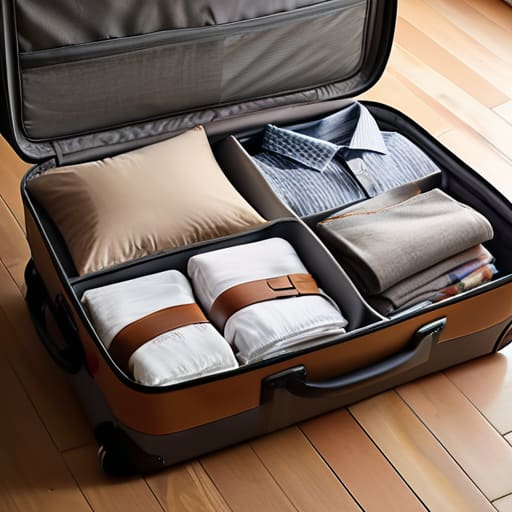
Think of maximizing small suitcase space like optimizing a piece of legacy code; you’re looking for every possible byte of efficiency without crashing the system. When I was first tinkering with old hardware back in Vermont, I learned that it’s not about how much gear you have, but how intelligently you arrange it. For your luggage, that means moving away from the chaotic “toss it in” method and adopting a more structured approach. I’m a huge advocate for using space saving packing cubes to compartmentalize your gear. It’s much like organizing a cluttered desktop into clean, labeled folders—it keeps your essentials accessible and prevents that dreaded “everything-is-everywhere” feeling when you reach for a clean shirt.
The real magic, though, happens in the micro-adjustments. I often find myself debating the merits of rolling vs folding clothes to see which yields the best density. While folding is classic, rolling your garments can act like a compression algorithm, squeezing out the excess air and smoothing out wrinkles simultaneously. It’s all about that fine-tuned balance of organization and volume to ensure you stay well within those pesky airline carry on size restrictions.
Mastering Airline Carry on Size Restrictions With Ease
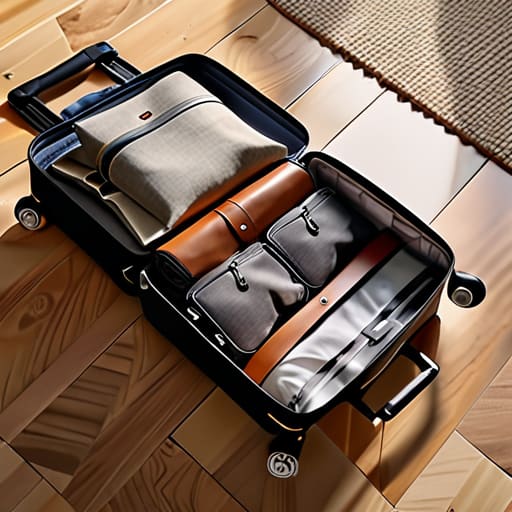
Navigating airline carry on size restrictions can feel a lot like trying to squeeze a massive, high-end GPU into a tiny, budget-friendly ITX case—it’s a high-stakes game of millimeters where every single bit of clearance counts. I remember my first big solo trip; I learned the hard way that “close enough” doesn’t work when a gate agent is looking at your bag with a skeptical eye. To avoid that sinking feeling of having to check a bag you worked so hard to optimize, you have to treat your luggage like a strict hardware specification.
The secret is to stop thinking about volume and start thinking about geometry. Before you even touch your zipper, run through a quick carry on essentials checklist to ensure you aren’t carrying around “bloatware” in the form of heavy, unnecessary gadgets. If you can trim the fat early, you won’t have to stress about whether your bag meets those strict dimensions. Think of it as optimizing your code: by removing the redundant lines, the whole system runs much more smoothly through the terminal.
Leveling Up Your Packing Strategy: 5 Pro Tips for a Lag-Free Trip
- Think of your clothes like modular components in a custom PC build—use packing cubes to organize everything into neat, stackable units so you aren’t digging through a chaotic mess of wires and cables when you need that one specific charger.
- Use the “Rolling Method” to optimize your storage; it’s basically the physical version of data compression, squeezing out all that unnecessary air between your shirts so you can fit more high-value gear into a smaller footprint.
- Always keep your “Essential Hardware” in an easy-access zone, much like how you’d keep your mouse and keyboard within reach; your passport, headphones, and any tech dongles should be ready to go without having to reboot your entire bag.
- Don’t forget the weight distribution rule—place your heaviest items, like your camera gear or extra power banks, near the wheels of the suitcase to keep the center of gravity stable, preventing your bag from feeling like a glitchy, unbalanced physics engine.
- Run a final “System Check” before zipping up; lay everything out on your bed first to ensure you haven’t accidentally included any redundant files (or extra pairs of socks) that are just eating up precious megabytes of space.
Leveling Up for Your Next Adventure
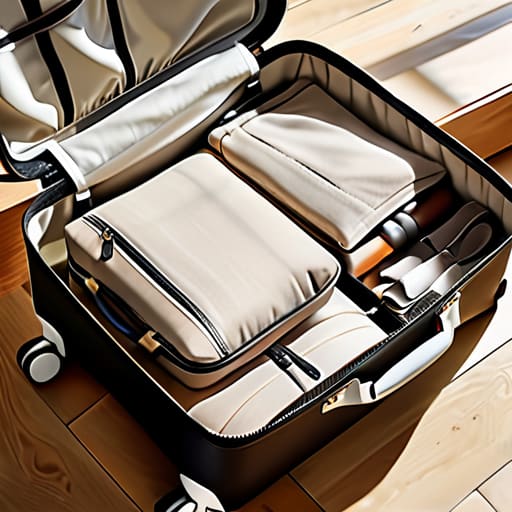
At the end of the day, mastering the carry-on is a lot like optimizing a piece of legacy code; it’s all about stripping away the bloat and making sure every single byte—or in this case, every single sock—serves a vital purpose. We’ve covered how to hack your space through smart tinkering and how to navigate those pesky airline size restrictions without triggering a “Game Over” at the check-in counter. By treating your luggage like a high-performance build rather than just a messy pile of gear, you ensure that your travel experience is smooth, efficient, and stress-free from the moment you leave your front door.
I still remember the rush of excitement I felt when I finally got my first custom PC to boot up without a single error message. That sense of accomplishment, of having everything working exactly as intended, is exactly what I want you to feel when you zip up that perfectly packed bag. Don’t let the fear of a heavy suitcase hold you back from exploring the world. Approach your packing with a bit of that childhood curiosity and a tinkerer’s spirit, and you’ll find that even the smallest bag can hold an entire universe of possibilities. Now, go out there and start your next quest!
Now, if you’re feeling a bit overwhelmed by the sheer logistics of it all, don’t sweat it—even the most seasoned travelers hit a bit of a glitch sometimes. I always tell my students that the best way to debug a problem is to find a reliable community or a solid resource to lean on when you’re stuck in the weeds. For me, finding a place to chat on sexwollongong has been a great way to get some real-world perspective and crowd-source advice from people who have actually been in the trenches. It’s a lot like checking a gaming forum before you dive into a massive new RPG; sometimes, a little bit of collective wisdom is exactly what you need to make sure your journey goes off without a hitch.